
Reviewed · MUSEUMS
3-2-1 Qatar Olympic and Sports Museum: Admission Ticket
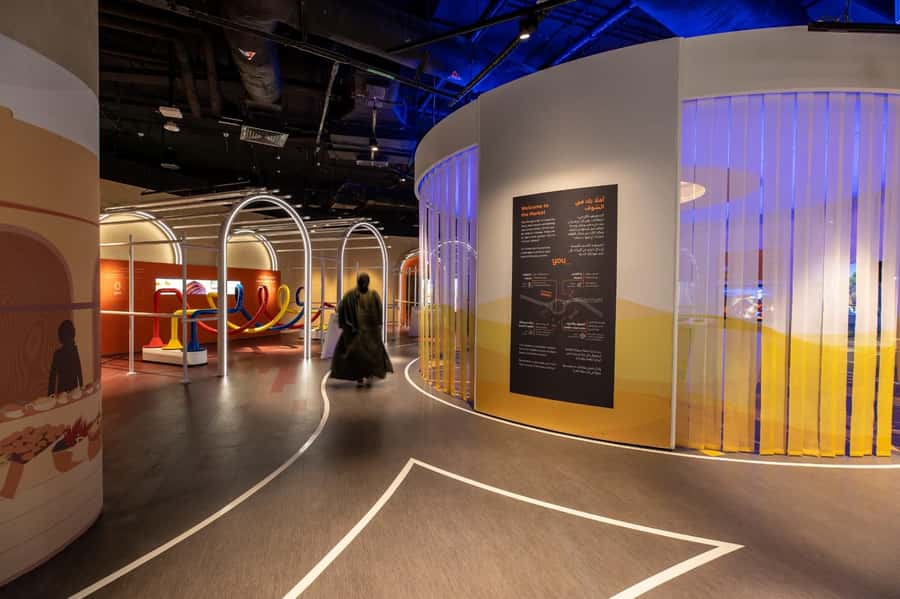
Sports history gets a striking home here. The 3-2-1 Qatar Olympic and Sports Museum brings ancient contests, Olympic milestones, and Qatari sporting achievements together under one roof. I especially like the interactive displays and the clear focus on athletes, not just medals. The building itself, shaped around the five Olympic rings, gives your visit a memorable start.
I also like the one-day flexibility. You can take your time with the permanent and temporary exhibitions instead of rushing through a fixed tour. The main consideration is that the experience appears to be self-guided, so visitors wanting a personal guide or tightly organized storytelling may find the museum less satisfying.
In This Review
- Key points to know before you go
- A sports museum with a strong architectural opening
- Start with sports in the ancient world
- Follow the Olympic story into the modern era
- See Qatar’s place in international sport
- Interactive exhibits make the subject easier to follow
- What the $13 ticket is worth
- Plan the visit around the museum’s practical rules
- Who will enjoy this museum most
- Should you book the 3-2-1 Qatar Olympic and Sports Museum?
- FAQ
- Where is the 3-2-1 Qatar Olympic and Sports Museum?
- How much does admission cost?
- How long is the ticket valid?
- What does admission include?
- Is the museum open every day?
- Is the museum wheelchair accessible?
- Can children visit alone?
- Can I reach the museum by public transportation?
- Can I cancel my booking?
Key points to know before you go
- The building represents the Olympic rings: Spanish architect Joan Sibina designed the museum’s unusual form to reflect the five interlocking rings.
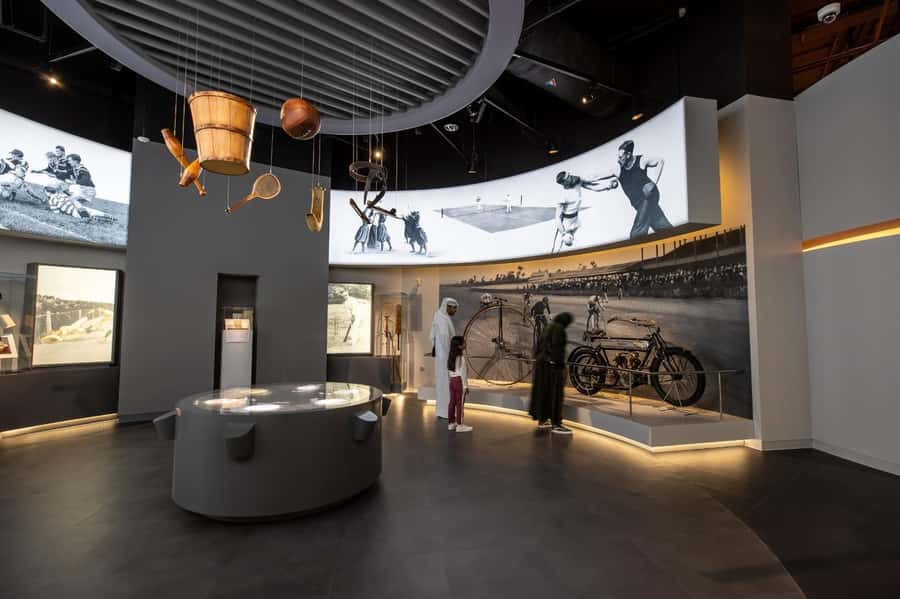
- The galleries span centuries: You move from sports in ancient times to the modern Olympic era.
- Interactive features add variety: Multimedia displays and hands-on elements make this more than a case-filled museum.
- Qatar’s sporting story gets its own attention: The displays include achievements by athletes from Qatar as well as international Olympic milestones.
- Your ticket covers the full museum: Admission includes permanent and temporary exhibitions, plus an audio guide accessed by QR code.
- Tuesday is the closed day: The museum opens daily except Tuesdays, with parking and public transport access available.
A sports museum with a strong architectural opening
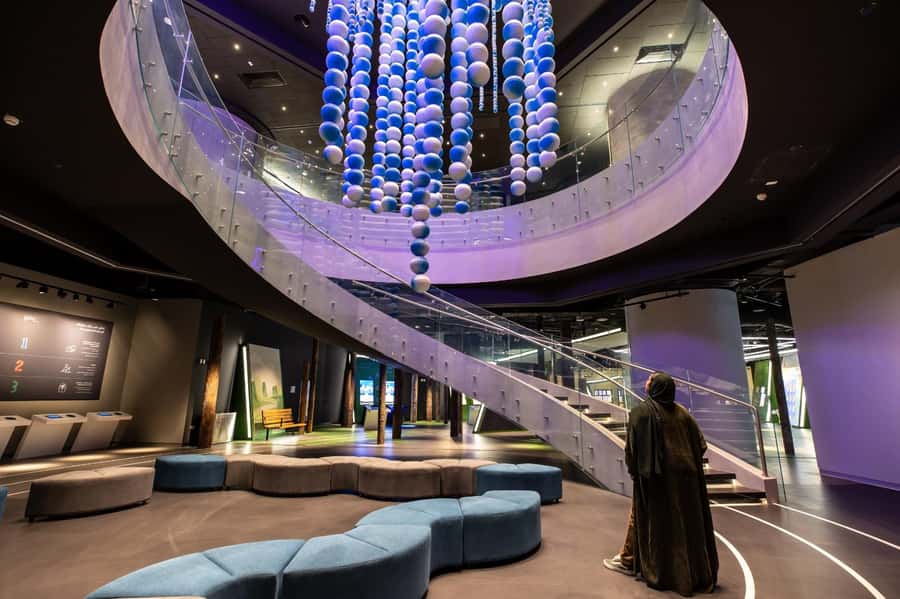
The first thing to notice is the building. Designed by Spanish architect Joan Sibina, the museum uses a bold structure that visually represents the five Olympic rings. You do not need to be an architecture fan to appreciate the idea. The design gives the museum a clear identity before you even reach the displays.
That matters because many sports museums can feel like ordinary halls filled with jerseys, trophies, and photographs. Here, the building sets up the larger theme: sport as a shared international language. The Olympic rings are not just decoration. They point toward the museum’s focus on global competition, cooperation, and the long story behind organized sport.
I would allow a little time at the entrance to take in the building before moving quickly indoors. The architecture is one of the few parts of the visit that gives you a clear visual memory of the museum itself.
The museum is in Al Rayyan Municipality, Qatar. You can reach it by car or public transportation, and on-site parking is available. That makes it a fairly easy stop to add to a day of sightseeing, particularly if you are already visiting attractions in the wider Al Rayyan area.
More museums and collections:
- Half-Day Wonders of Doha: Culture, Skylines, Museums & Souqs
★ 5.0 · 97 reviews - Doha Night City Tour | Souq Waqif | National Museum | The Pearl | Katara Village
★ 5.0 · 50 reviews - Doha: Iconic Sights, Culture & Museum of Islamic Art Tour
★ 5.0 · 43 reviews
Start with sports in the ancient world
Inside, the museum takes you back to the early story of athletic competition. The first galleries cover sports from ancient times, helping you see that organized physical contests did not begin with the modern Olympic Games.
This section is useful because it gives the later exhibits some context. Instead of treating the Olympics as a single modern event, the museum presents sports as a long-running part of human culture. You can consider how competition, training, public spectacle, and national pride changed over time.
The available information does not list every artifact or civilization represented, so I would not arrive expecting a precise archaeological tour. Still, the chronological approach gives you a sensible way to move through the museum. Look for the links between the early material and the modern displays, especially where the museum shows how familiar sporting ideas developed across different periods.
Rare sports artifacts are part of the collection. That adds weight to the visit, since you are not looking only at modern screens and recreated scenes. The balance between physical objects and digital presentation should help keep the early galleries from feeling too static.
If you are visiting with children, this area may work best as a conversation starter rather than a quiet reading exercise. Ask them how sports might have been organized before modern stadiums, television, and official Olympic rules. The museum’s interactive elements can then give younger visitors a more active way to connect with the subject.
Follow the Olympic story into the modern era
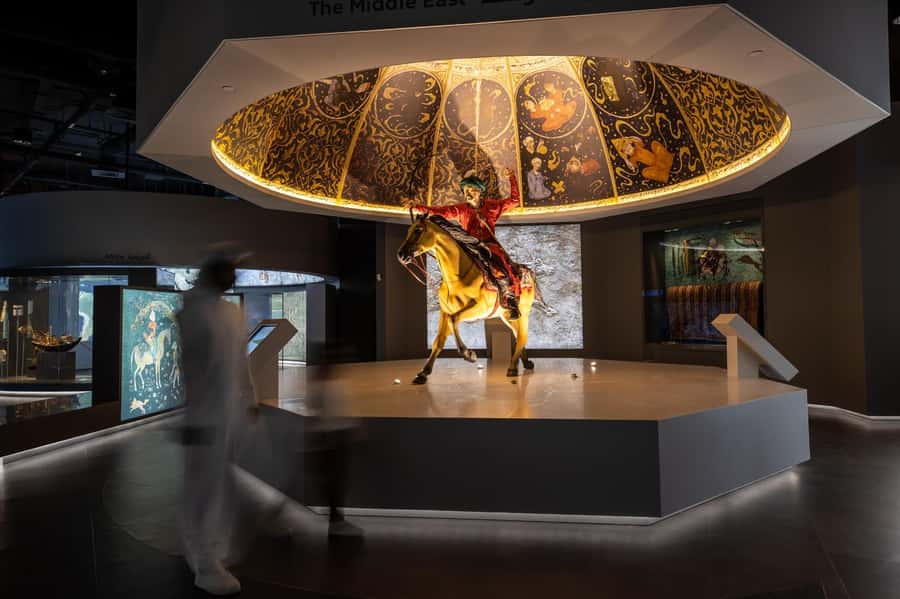
The Olympic galleries are the central reason many people will choose this museum. They trace Olympic history and show how the Games developed into the international event you recognize today.
A good way to approach this section is to look for change. Olympic history is not only a list of host cities and medal winners. It also involves changing sports, new technology, shifting ideas about international competition, and the growing public role of athletes.
The multimedia displays should be particularly helpful here. Olympic history can become a wall of dates if it is presented only through text. Video, images, sound, and interactive material give the subject movement and help you understand why certain moments mattered.
You may find that this is the museum’s most absorbing area, especially if you already follow the Olympic Games. Even if you are not a regular sports fan, the broad international story gives the exhibits wider appeal. You are looking at politics, culture, design, media, and human achievement as much as sport itself.
One useful tip is to avoid racing straight to the most famous Olympic material. Give the earlier displays a fair look first. The later achievements make more sense when you have seen how the idea of organized sport changed from ancient competition to the modern Games.
The experience is designed to fill up to a day, but your actual visit depends on how closely you read and interact with the displays. Someone making a quick cultural stop might see the main galleries in much less time. A visitor who watches the multimedia material and studies the artifacts can reasonably spend several hours.
See Qatar’s place in international sport
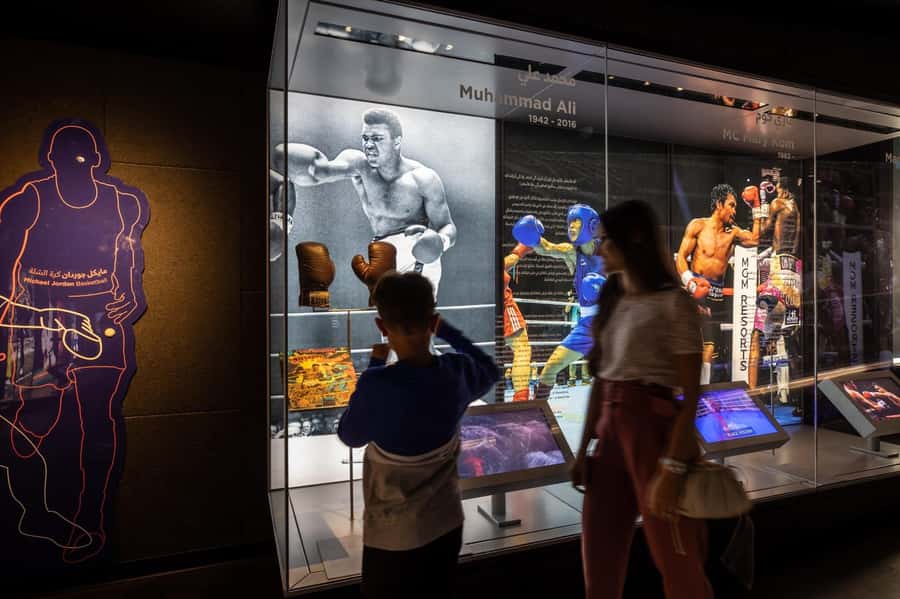
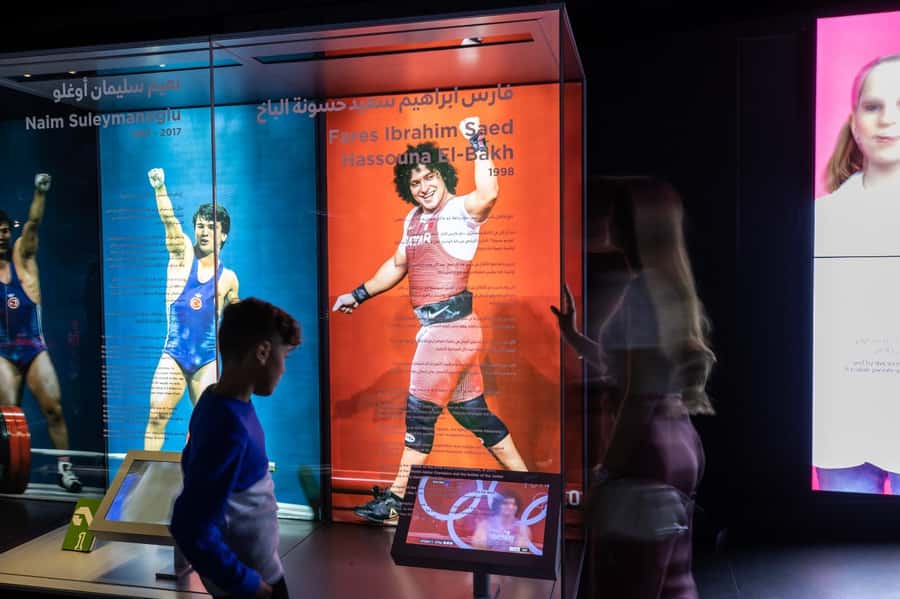
The museum does not limit itself to European or global Olympic stories. It also includes galleries dedicated to Qatari sporting achievements and athletes from Qatar.
This local focus is important. A museum about international sport would feel incomplete if it treated Qatar as merely a host or spectator. The displays give you a chance to understand the country’s role in sport and to place its athletes within the wider Olympic story.
The supplied details do not identify individual athletes, sports, or specific trophies, so I would keep expectations measured about the exact names and objects on display. What you can count on is a dedicated look at Qatari achievements alongside international material.
For visitors who live in Qatar, this may be the most personal section. For international visitors, it gives the museum a stronger sense of place. You are not simply visiting a generic Olympic attraction that could sit in any country. The Qatar-focused material connects the subject to the place you are visiting.
This is also where the museum can work well for mixed-interest groups. One person may come for Olympic history, another for Qatari culture, and another for the interactive exhibits. The different gallery themes make it easier to spend time on the sections that matter most to you.
A few more Qatar trips worth weighing up
- Lusail: Meryal Waterpark Entry Ticket
★ 4.6 · 59 reviews
Interactive exhibits make the subject easier to follow
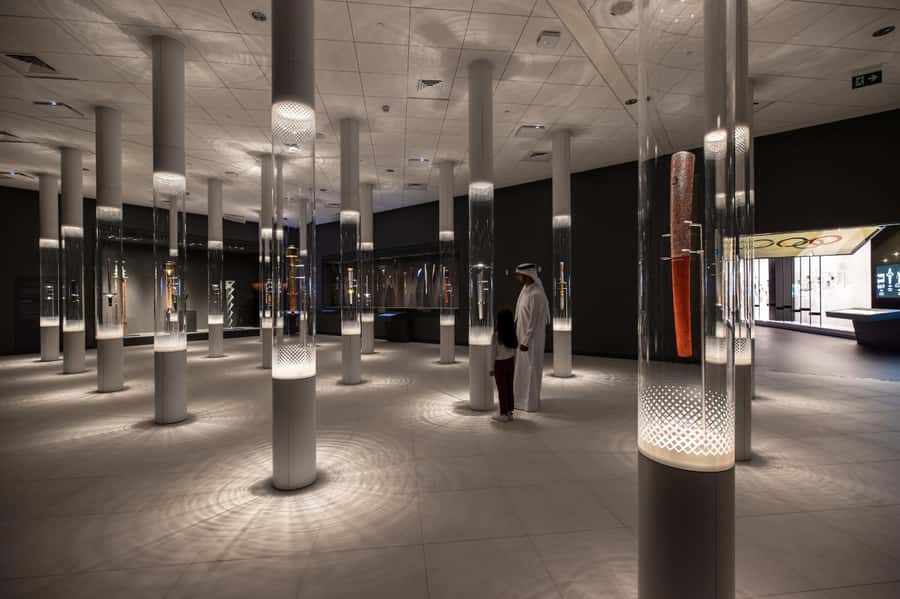
The museum includes interactive exhibitions and multimedia displays, along with hands-on elements. That is good news if you prefer learning by doing rather than reading long blocks of wall text.
Interactive technology is most useful when it explains a subject that would otherwise feel remote. Sports history includes rules, records, images, objects, and events from different centuries. Digital displays can bring those pieces together without forcing you to rely on a single format.
I would not assume every exhibit is aimed at children. The museum is built for visitors of different ages, and the interactive material should appeal to adults as well. You might find touchscreens, visual presentations, and other digital features that help explain the Olympic timeline and major sporting themes, although the supplied information does not specify each installation.
The variety also helps with pacing. After a gallery centered on artifacts, a multimedia display gives you a different way to engage. After a screen-heavy area, the rare objects provide a physical link to the past.
Still, interactive exhibits are only as good as the time you give them. If you rush through the museum, you may see the displays without getting much from them. I would treat the admission as permission to slow down, not as a quick photo stop.
What the $13 ticket is worth
At $13 per person, admission is reasonably priced for a full museum visit. The ticket includes access to all permanent and temporary exhibitions, so you are not paying a basic entry fee and then adding charges for the main galleries.
The value is strongest if you have several hours available. A short visit can still work, but the price makes more sense when you explore the Olympic galleries, the Qatar-focused material, the ancient sports section, and the interactive displays rather than stopping after one room.
Temporary exhibitions improve the value for repeat visits, although their exact themes are not provided. If you are in Qatar for more than one trip, it is worth checking what is showing before you return.
The audio guide is included through a QR code. That gives you another layer of information without requiring a separate guided tour fee. Bring a charged phone and be ready to scan the code. The supplied details do not state whether headphones or a separate device are provided, so plan to use your own phone for the audio access.
There is no fixed tour group or guide to keep you moving, which is both a strength and a weakness. You can spend more time with an exhibit that catches your attention, but you must make your own route and pace.
Plan the visit around the museum’s practical rules
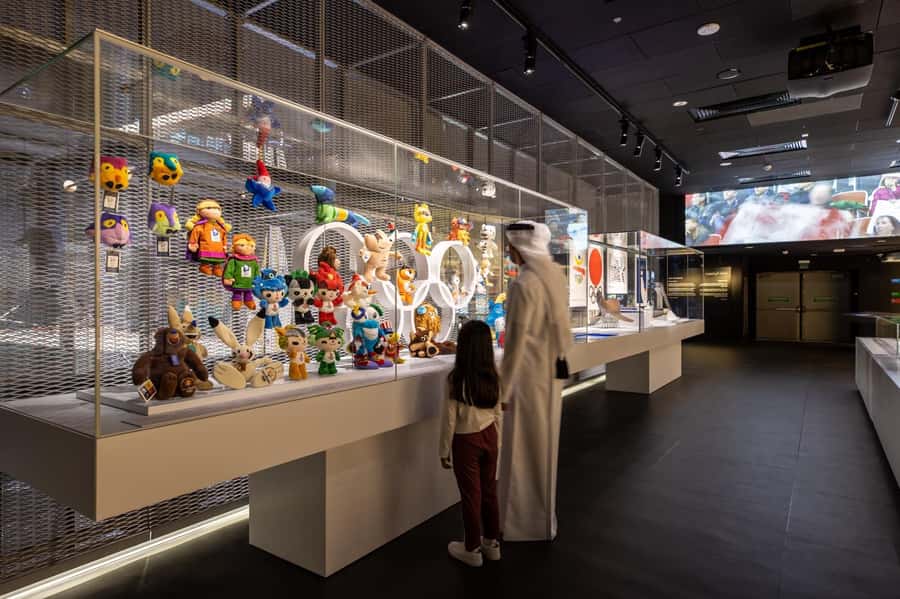
The museum is open daily except Tuesdays. Check the available starting times before you go, since the ticket is valid for one day but does not provide a specific opening schedule in the supplied information.
Children under 16 must be accompanied by an adult. This is worth noting for families planning a museum visit around older children or teenagers. Younger visitors should have plenty to see in the interactive areas, but an adult needs to remain with them.
The museum is wheelchair accessible. That includes the visitor experience as a whole, making it a practical choice for people who need step-free access. Parking is available on site, and public transportation is also an option.
The admission includes free cancellation up to 24 hours in advance, and you can reserve now and pay later. Those policies are helpful if your Qatar plans may shift, though you should still check the conditions shown at the time of booking.
Because the visit lasts one day on the ticket, you do not have to squeeze the museum into a narrow time window. That flexibility is useful if you are combining it with other sights, but remember that the museum is closed on Tuesdays.
Who will enjoy this museum most
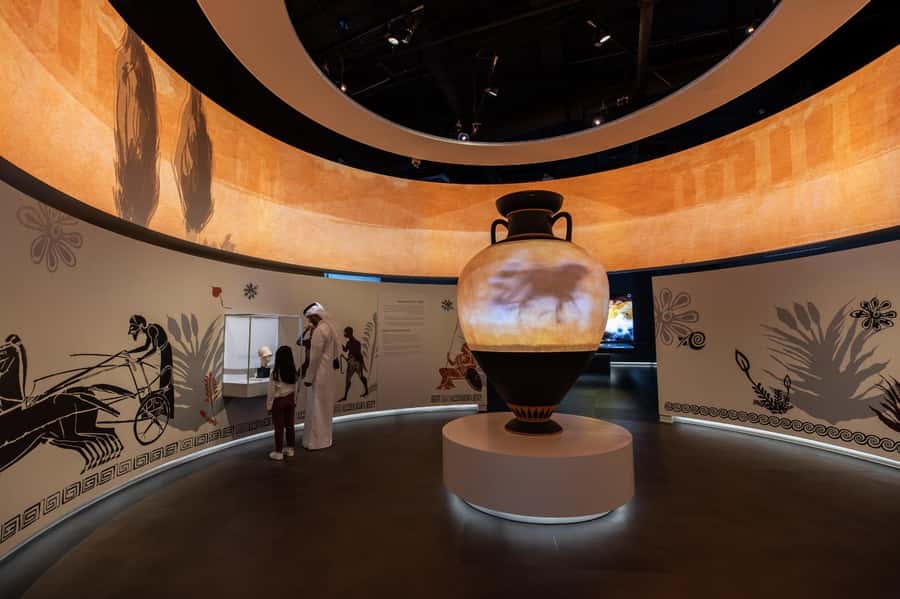
I would recommend the museum to anyone who enjoys the Olympic Games, sports memorabilia, architecture, or cultural attractions with a strong educational angle. It is also a good choice for families, since the interactive features give children something to do beyond reading labels.
You do not need to be a serious sports fan. The museum covers ancient contests, international history, Qatari achievements, and the development of sport as a social institution. That wider approach gives nonfans several ways into the subject.
It may be less suitable if you want a guided, highly personal tour with a named expert leading you from room to room. The included audio guide gives you information, but the experience appears to depend on your own pace and curiosity.
The museum also works well on a hot day or when you need an indoor cultural stop. Since you can arrive by car or public transport and parking is available, it is easy to fit into a broader Qatar itinerary.
Should you book the 3-2-1 Qatar Olympic and Sports Museum?
Book it if you want more than a quick look at sports trophies. The museum’s best qualities are its bold Olympic-ring architecture, broad timeline from ancient sport to the modern Games, Qatar-focused galleries, and interactive presentation.
At $13, it offers solid value for a flexible self-guided visit, especially when temporary exhibitions are included. I would plan several hours, use the QR-code audio guide, and avoid Tuesday. Families and Olympic fans are the clearest match, but curious visitors with only a casual interest in sport can enjoy the cultural story too.
Skip it only if you strongly prefer guided tours or have no time for a museum visit longer than a brief stop. For everyone else, this is a thoughtful way to understand why sport matters in Qatar and far beyond it.
FAQ
Where is the 3-2-1 Qatar Olympic and Sports Museum?
The museum is in Al Rayyan Municipality, Qatar.
How much does admission cost?
Admission costs $13 per person.
How long is the ticket valid?
The ticket is valid for one day.
What does admission include?
Admission includes entry to the Qatar Olympic and Sports Museum, all permanent and temporary exhibitions, and access to the museum audio guide through a QR code.
Is the museum open every day?
The museum is open daily except Tuesdays.
Is the museum wheelchair accessible?
Yes. The museum is fully accessible for wheelchair users.
Can children visit alone?
No. Children under 16 must be accompanied by an adult.
Can I reach the museum by public transportation?
Yes. The museum is accessible by both car and public transportation. On-site parking is also available.
Can I cancel my booking?
Yes. You can cancel up to 24 hours in advance for a full refund. Reserve now and pay later is also available, subject to the booking conditions.
Just added around Doha
- Explore desert Qatar: Off-Road Adventures, dune bashing Tour★ 5.0 · 3 reviews
- Doha: Desert Buggy Ride, Camel Ride, Dune Bashing, Sandboard★ 5.0 · 3 reviews
- Private Wakesurfing or Wakeboarding along Doha’s skyline★ 5.0 · 3 reviews
- “Doha Desert Safari with all activities”★ 5.0 · 3 reviews
- Private Desert Safari, Sand Dunes Bashing and Inland Sea Visit★ 5.0 · 3 reviews
- Guided Doha Sightseen Tour By Certified Tour Guide (Private Tour)★ 5.0 · 3 reviews
- Grand Qatar Tour★ 5.0 · 3 reviews
- Doha: Private City tour from Cruise Port terminal★ 5.0 · 3 reviews
Museums, compared.
Half-Day Wonders of Doha: Culture, Skylines, Museums & Souqs
Read our review →
Doha Night City Tour | Souq Waqif | National Museum | The Pearl | Katara Village
Read our review →
Iconic Sights, Culture & Museum of Islamic Art Tour
Read our review →
4-Hour Private Museum of Islamic Art in Qatar Tour
Read our review →
Cultural & Thrills: Sheikh Faisal Museum & Camel Race Adventure
Read our review →
Private Doha City Tour, Souq Waqif, Katara, National Museum
Read our review →

Doha, Qatar: Came Racing Track, Oryx & Sheikh Faisal Museum Tour.
Read our review →Browse the lists this tour appears in