
Reviewed · AL ZUBARA FORT TOURS
North of Qatar Tour to Olafur Eliasson Zubara Fort Jumail Village
Qatar’s north tells a quieter story. This half-day outing takes you beyond Doha to Al Khor’s fishing heritage, the mangroves of Purple Island, the old village of Al Jumail, and Al Zubarah Fort, a UNESCO-listed archaeological site. You also stop at a striking desert artwork by Olafur Eliasson, an unexpected meeting of modern art and empty desert.
I like the small group size, capped at six people, and the fact that your guide and driver handle the long distances between sites. I also like the mix of history, wildlife, abandoned villages, and contemporary art. The main drawback is simple: this is a driving-heavy day, and some stops can feel brief compared with the time spent on the road.
The tour costs $55 per person and lasts about four to five hours. That is fair value if you want a quick look at northern Qatar without renting a car. Just plan carefully around the heat, opening hours, and your expectations. This is not a slow countryside outing. It is a broad introduction to several far-flung places.
In This Review
- Key points to know before booking
- Why northern Qatar is worth your morning
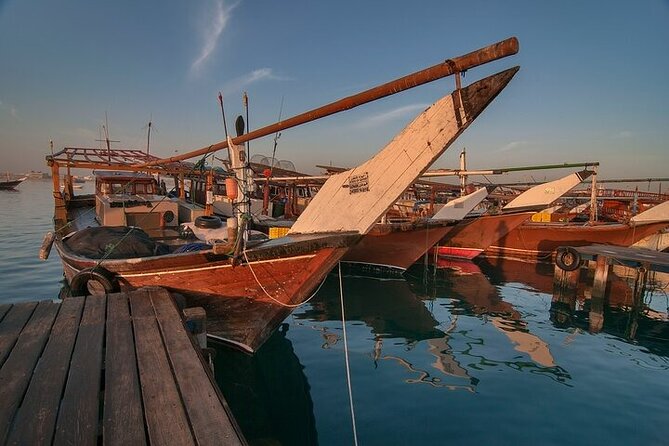
- Al Khor brings Qatar’s fishing past into view
- Purple Island and the Al Thakira mangroves
- Al Zubarah Fort and the ruins beyond it
- Al Jumail, an abandoned fishing and pearling village
- Olafur Eliasson’s artwork in the desert
- The long drives shape the whole experience
- Heat, timing, and what to bring
- Who will get the most from this $55 tour?
- Should you book the North of Qatar tour?
- FAQ
- How long does the North of Qatar tour last?
- How much does the tour cost?
- Is hotel pickup included?
- What places are included?
- Is admission to Al Zubarah Fort included?
- Can I cancel for a full refund?
Key points to know before booking
- Al Zubarah Fort is the historical centerpiece, with a small museum and nearby ruins tied to Qatar’s pearling and trading past.
- Purple Island and Al Thakira show an unexpected side of Qatar, where mangroves support birdlife in an otherwise dry region.
- Olafur Eliasson’s desert installation adds an unusual modern touch to a tour focused mainly on heritage.
- Long drives are part of the deal, and some visitors spend more time in the vehicle than at individual sites.
- The maximum group size is six, making this more personal than a large coach excursion.
- Friday morning can cause problems, since some places may not open until later in the day.
Why northern Qatar is worth your morning
Doha is Qatar’s obvious starting point, with museums, towers, souqs, and polished waterfront districts. Northern Qatar gives you something different: old fishing settlements, archaeological remains, scrubby desert, tidal wetlands, and wide open roads.
I find the value of this tour lies in the contrast. You move from working coastal life around Al Khor to mangroves, then onward to ruins and a fort connected with pearling. The trip helps explain how Qatar developed before oil and gas changed the country.
The route also shows how quickly Qatar’s surroundings can change. New neighborhoods and roads appear beside older settlements and untouched stretches of sand. You may not find every stop visually dramatic, but the combination gives you a better sense of the country than another morning spent only in Doha.
The price is particularly reasonable for visitors on a short stay or long layover. Pickup and return to your hotel are included, and the vehicle removes the need to arrange transport across the north. Bottled water is supplied, and coffee or tea may be offered along the way, although you should not rely on those drinks being included. One person specifically noted that the voucher did not mention coffee or tea.
More Al Zubara fort and north-coast trips:
- North Qatar Half-Day Tour: Al Zubarah, Purple Island & Mangroves
★ 5.0 · 337 reviews - North Qatar Tour | Zubara Fort | Purple Island | Mangros Colony
★ 5.0 · 323 reviews - Doha North Qatar Tour Zubara Fort, Mangroves, Jumail Village
★ 4.9 · 267 reviews
Al Khor brings Qatar’s fishing past into view
The route commonly includes Al Khor, a coastal city with ties to fishing and pearling. Its fish market can be an interesting first stop because it connects the modern town with the work that supported communities here for generations.
You may also have the chance to see the port area or walk along the Corniche. That sounds pleasant, but be realistic about the weather. In July, one visitor found the unshaded walk uncomfortable with temperatures above 100 degrees Fahrenheit. In the hottest months, the market or a short look at the waterfront may be more sensible than insisting on a long stroll.
Al Khor is not the strongest stop for dramatic sightseeing. Its value is cultural context. Your guide can explain how fishing, pearl gathering, and coastal trade shaped Qatar before its modern boom. Guides such as Syed, Bilal, Ishmael, Khalid Khan, and Usman have been praised for sharing information about local culture during the drives as well as at the stops.
That matters here. The scenery between sites can be sparse, and the guide’s explanations help turn a long transfer into part of the experience rather than dead time.
Purple Island and the Al Thakira mangroves
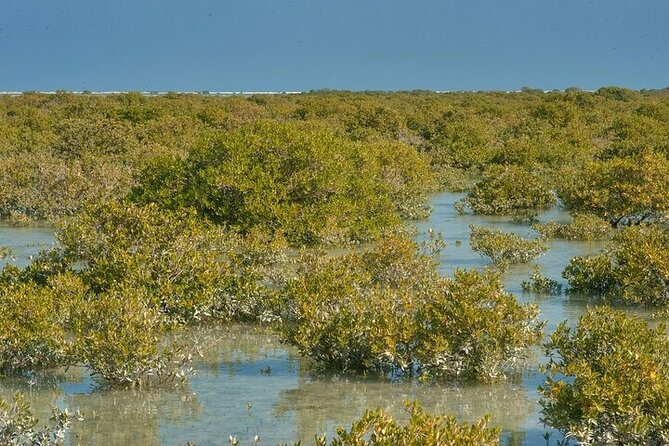
The mangroves near Al Thakira and Purple Island are one of the tour’s most surprising features. Qatar is known for dry desert, but tidal channels and mangrove growth create a small wetland habitat near Al Khor.
You can look for plant life and bird activity around the water. Flamingos have been seen in the area, sometimes at a distance, though sightings are not guaranteed. One visit arrived too late to see them, while another noted birdlife as a highlight. Timing, heat, and luck all matter.
This stop works best for people who enjoy natural details rather than grand scenery. You are not visiting a large national park with marked trails and extensive facilities. Instead, you get a brief look at a coastal habitat that feels unexpected in Qatar.
The mangroves also offer a useful lesson in how water shapes the region. They grow in salty tidal conditions and provide shelter for wildlife. I would bring a hat, sunscreen, and water, since shade may be limited and the heat can make even a short walk tiring.
Allow yourself to slow down here. The temptation is to take a few pictures and hurry back to the vehicle, but the mangroves reward close attention. Look into the channels, scan the distant mudflats, and listen for birds. If wildlife is your main reason for booking, ask about the expected timing before you reserve.
Al Zubarah Fort and the ruins beyond it

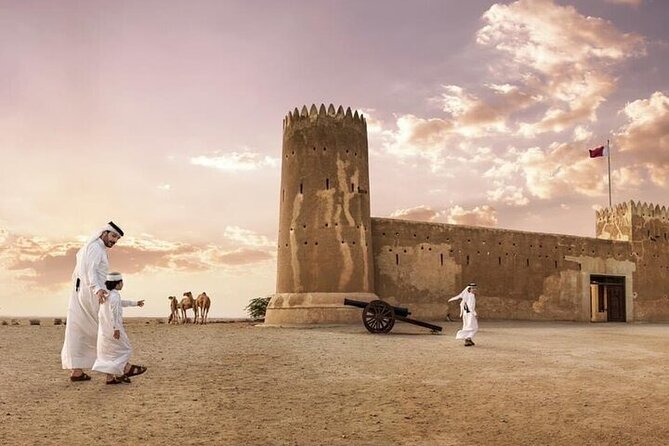
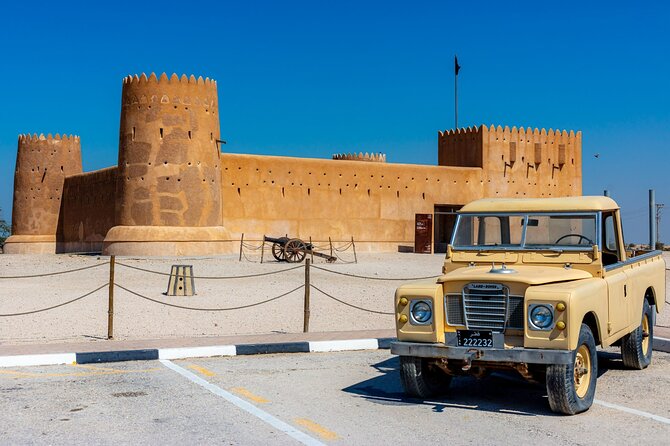
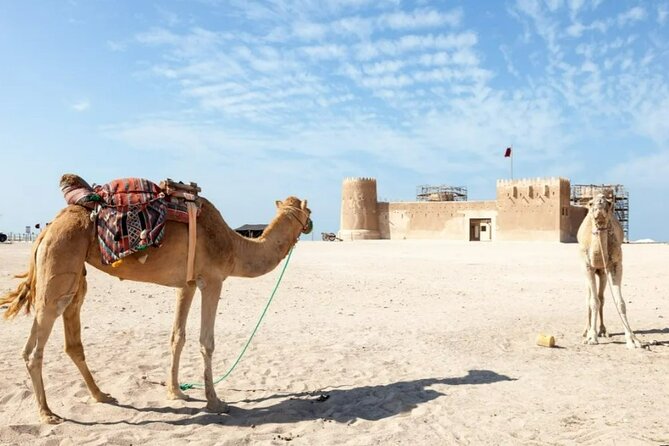
Al Zubarah Fort is the historical anchor of the outing. It sits in northwestern Qatar near the remains of Al Zubarah, once an important port linked to fishing, pearling, and trade.
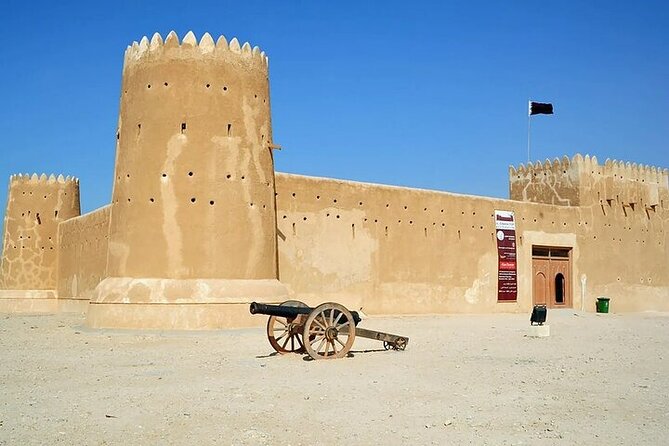
The fort was built beside the ruins of an earlier fort. Its restored rooms now include displays of artifacts found through archaeological work led by the Qatar Museums Authority and international specialists. The site is protected as a UNESCO World Heritage area, which gives it importance beyond the fort walls.
I like this stop because it offers a physical place to connect with Qatar’s earlier economy. Pearling was not an abstract tradition. It shaped settlements, trade networks, family life, and coastal movement. The fort and ruins help make that past visible.
Set your expectations correctly. The fort is not a huge palace, and some visitors find the story more restrained than expected. The museum is interesting, but the visit may feel modest if you are looking for a large collection or a full day of archaeological exploration.
The listed visit lasts about an hour, and admission is not included in the tour price. Confirm the current entrance arrangements when booking, especially if the cost matters to your budget. The surrounding archaeological area may also have limits on where you can walk.
The remote setting is part of the appeal. You leave behind Doha’s towers and arrive at a quiet site where the remains of a former port spread across the desert. I would rate Al Zubarah Fort as the stop most worth the long drive, particularly if you care about Qatar’s pearling history.
A completely different sort of day out from Doha:
- Doha: Safari, ATV, Camels, Sandboarding and Inland Sea Tour
★ 4.8 · 5,291 reviews - Doha: ATV, Quad/Buggy Dune Bashing, Camel Ride, Sandboarding
★ 5.0 · 3,784 reviews - Desert safari, Dune bashing, sandboarding, camel, ATV Option
★ 5.0 · 2,826 reviews - Qatar Gold Dune Safari, Dune Bashing,Camel Ride,Sand Boarding,Inland Sea Desert
★ 5.0 · 2,807 reviews
Al Jumail, an abandoned fishing and pearling village
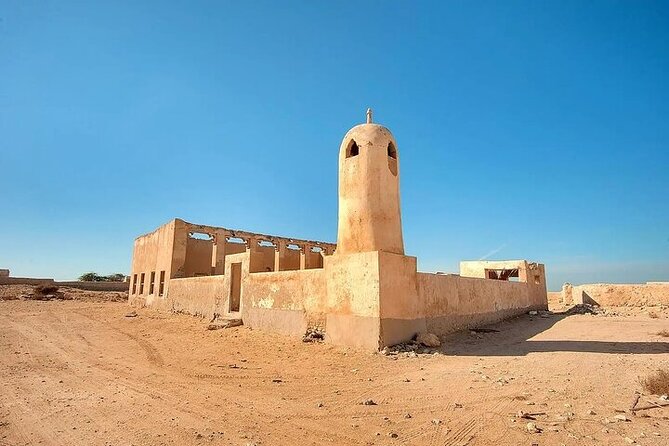
Al Jumail offers a more immediate look at traditional coastal life. This old fishing and pearling village is now abandoned, leaving traces of homes and settlement patterns rather than a polished historic district.
That lack of restoration is precisely what makes the place useful. At the fort, you see a protected and prepared historic site. At Al Jumail, you get a rougher impression of how a village might have looked after its population moved away.
The stop is scheduled for about 45 minutes and has no admission charge. You will want practical shoes because old village remains can be uneven. The setting is exposed, so the heat can quickly become the main thing you remember.
Opening hours require attention. One visitor taking a Friday morning tour could not visit the village because some locations were closed until the afternoon. If Al Jumail is a priority, ask the operator about Friday access before booking a morning departure.
This is not the right stop for you if you want a fully reconstructed village with interiors, shops, or extensive interpretation. It is better for photography, quiet observation, and a basic connection with Qatar’s coastal past.
Olafur Eliasson’s artwork in the desert
The modern art stop gives this tour an unexpected change of pace. The site-specific installation north of Al Zubarah examines how people perceive the world and how that perception shapes their sense of reality.
Placed in the desert, the work asks you to pay attention to space, distance, light, and your own position within the surroundings. You do not need to be an art expert to appreciate the contrast between the ancient ruins nearby and a contemporary work designed for this exact setting.
The stop lasts about 45 minutes and admission is free. It is a good choice for anyone who wants something beyond forts and villages. One visitor named the installation among the day’s highlights, alongside the mangroves and UNESCO site.
Still, art is personal. If you prefer straightforward historical attractions, this may feel puzzling or too brief. Ask your guide to explain the idea behind the installation, then take time to view it from more than one angle. The desert setting is not just a backdrop. It is part of the work.
This stop also makes the tour feel less predictable. Northern Qatar is not presented only as an archaeological zone. You see a country preserving its past while also making room for new ways to think about place and identity.
The long drives shape the whole experience
The biggest practical issue is travel time. Northern Qatar’s main sights are spread out, and drives between them can last close to an hour. You may spend less time walking around each place than you first imagine.
That does not make the tour poor value, but it changes the way you should judge it. Think of the day as a guided overview, not a series of long visits. The benefit is breadth. You can see several parts of northern Qatar in one morning without arranging separate taxis or rental-car routes.
The guide makes a major difference. Ishmael was praised for making the drives pass quickly through conversation and explanations. Syed was described as helpful with history and culture, while Khalid Khan was noted for being friendly and informative. These comments point to the most important variable on a driving tour: the person in the front seat.
There have also been less comfortable moments. One trip lost about 45 minutes at a tire repair shop, leaving less time at the main sites. A separate account raised concerns about a driver texting and driving quickly. That is not something you should ignore. If driving feels unsafe, speak up at once and ask the driver to slow down.
Pickup communication can also vary. One port pickup went well overall, but the passenger had to search for the driver because there was no sign with the name. If you are meeting at a busy port or hotel, confirm the exact pickup point and the vehicle details beforehand.
Heat, timing, and what to bring
Qatar’s heat can make or break this outing. July and September can be especially punishing, with little shade at places such as Al Khor, Al Jumail, and the desert artwork.
Book an early departure if possible, but check opening hours first. Friday mornings are not always ideal because some sites may open later. An early start also helps with comfort, though it cannot remove the heat entirely.
Bring:
- A hat and high-SPF sunscreen
- Comfortable closed shoes
- Extra drinking water, even though bottled water is supplied
- Sunglasses
- A phone or camera for the village and desert artwork
- Light clothing that is suitable for visiting cultural sites
Food is not clearly built into the experience. One person bought something at a petrol station because there were few other options, apart from a small kiosk at the fort. If you need a meal at a particular time, arrange it with the operator or eat before pickup.
The operator may offer tea or coffee, but that is not guaranteed by the voucher details. Treat it as a pleasant extra, not a promised part of the package.
Who will get the most from this $55 tour?
At $55 per person, the tour is good value for a visitor who wants transport, a guide, and several northern stops in one compact outing. A private vehicle for no more than six people would usually cost more if arranged independently, especially once you factor in the distances.
I would recommend it most strongly to:
- First-time visitors who have already seen Doha’s main sights
- People on a long layover who want to see more of Qatar
- History fans interested in pearling, fishing, and archaeological remains
- Visitors who enjoy combining nature and culture
- Anyone who does not want to drive in unfamiliar conditions
- Small groups who prefer a vehicle rather than a large coach
I would be more cautious if you dislike long drives, struggle with intense heat, or want deep exploration at each site. You may also find the day less satisfying if your main interest is wildlife, since flamingo sightings are uncertain and the mangrove stop is relatively short.
The tour is private in the sense that the group is limited, but it is not a fully flexible custom itinerary. The operator controls the route, and delays can reduce time at later stops. Ask ahead about the exact order of Al Khor, Purple Island, Al Jumail, the artwork, and Zubara Fort, since the supplied schedule highlights three core stops while the wider route includes additional places.
Should you book the North of Qatar tour?
Book it if you want a broad, efficient introduction to northern Qatar and accept that the road is part of the day. Al Zubarah Fort gives the trip its historical weight, the mangroves add nature, Al Jumail provides a rough glimpse of village life, and Olafur Eliasson’s installation keeps the route from feeling like a standard heritage circuit.
Skip it if you want long, unhurried visits or a cooler outdoor experience. For the best chance of enjoying the day, avoid the hottest months, check Friday opening times, confirm whether fort admission and refreshments are included, and make sure your pickup details are clear.
The free-cancellation policy allows a full refund if you cancel at least 24 hours before the start time. Weather-related cancellations may lead to a new date or a full refund. Those safeguards help, but the more important decision is whether you are comfortable trading several hours of driving for a useful look at Qatar beyond Doha.
FAQ
How long does the North of Qatar tour last?
The experience lasts approximately four to five hours.
How much does the tour cost?
The listed price is $55 per person.
Is hotel pickup included?
Yes. Pickup from your hotel and return at the end of the tour are offered.
What places are included?
The route includes northern Qatar sights such as Al Khor, Al Thakira and Purple Island, Al Zubarah Fort, Al Jumail Village, and Olafur Eliasson’s desert installation. The scheduled stops specifically identify Al Zubarah Fort, Al Jumail, and the artwork.
Is admission to Al Zubarah Fort included?
No. Admission to Al Zubarah Fort is not included in the tour price.
Can I cancel for a full refund?
Yes, if you cancel at least 24 hours before the experience start time. Cancellations or changes made within 24 hours are not refunded or accepted. If poor weather causes the operator to cancel, you can be offered another date or a full refund.
Just added around Doha
- Explore desert Qatar: Off-Road Adventures, dune bashing Tour★ 5.0 · 3 reviews
- Doha: Desert Buggy Ride, Camel Ride, Dune Bashing, Sandboard★ 5.0 · 3 reviews
- Private Wakesurfing or Wakeboarding along Doha’s skyline★ 5.0 · 3 reviews
- “Doha Desert Safari with all activities”★ 5.0 · 3 reviews
- Private Desert Safari, Sand Dunes Bashing and Inland Sea Visit★ 5.0 · 3 reviews
- Guided Doha Sightseen Tour By Certified Tour Guide (Private Tour)★ 5.0 · 3 reviews
- Grand Qatar Tour★ 5.0 · 3 reviews
- Doha: Private City tour from Cruise Port terminal★ 5.0 · 3 reviews
Al Zubara Fort Tours, compared.
North Qatar Half-Day Tour: Al Zubarah, Purple Island & Mangroves
Read our review →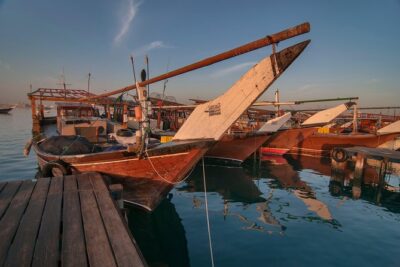
North Qatar Tour | Zubara Fort | Purple Island | Mangros Colony
Read our review →
Doha North Qatar Tour Zubara Fort, Mangroves, Jumail Village
Read our review →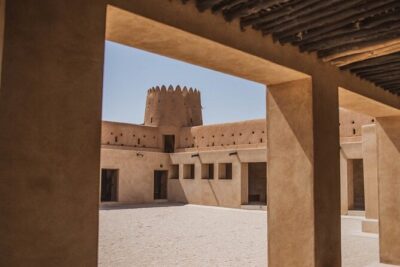
North of Qatar Tour, Zubara Fort, Mangroves, Jumail Village
Read our review →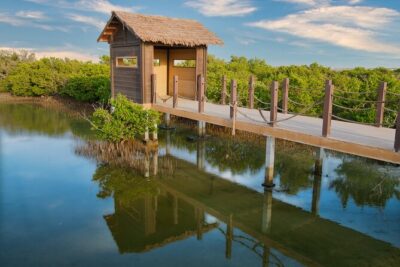
Private North of Qatar: Zubara Fort | Jumail Village | Al-Thakhira Mangroves
Read our review →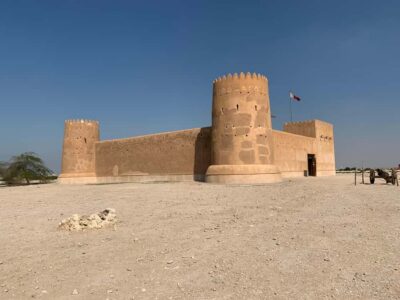
North Qatar Tour, Mangroves, & Zubara Fort and purple
Read our review →North Qatar: Purple Island, Al Zubarah Fort & Mangroves Tour
Read our review →
North Qatar: Zubara Fort, Jumail Village, Thakhira Mangroves
Read our review →Browse the lists this tour appears in