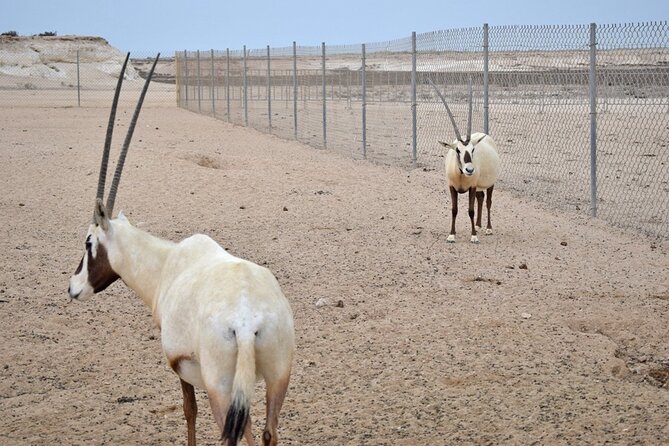
Reviewed · FULL-DAY
Full-Day Tour Qatar North And West
Qatar’s best stories sit beyond Doha. This six to eight-hour tour takes you from old pearling towns and mangrove shores to a UNESCO site, a camel track, desert rock formations, and Richard Serra’s huge steel sculpture. I like the wide range of places covered in one day, and I like the small maximum group size of six, which should make the long route more comfortable.
The tour also includes hotel pickup, bottled water, coffee or tea, an air-conditioned vehicle, and insurance. The main drawback is that the day covers a lot of ground, so several stops last only 30 minutes. Some sights are subtle rather than spectacular, and one poor experience involved the guide rushing and driving too fast.
In This Review
- Key points at a glance
- Why this route is worth leaving Doha for
- Al Khor, where Qatar’s pearling story begins
- Al Thakhira and Purple Island: a brief taste of the coast
- Al Zubara Fort and the archaeology of the northwest
- Al Jumail’s abandoned village walls
- Camel training at Ash-Shahaniyah
- Zekreet Fort, rock formations, and the western desert
- Richard Serra’s four steel plates in Brouq
- The guide can make or break the long day
- Timing, food, and what to carry
- Who should book this North and West Qatar day trip
- Should you book it?
- FAQ
- How long does the Full-Day Tour Qatar North and West last?
- How much does the tour cost?
- Is pickup available?
- What is the maximum group size?
- Is lunch included?
- What refreshments are provided?
- Is transportation air-conditioned?
- Which UNESCO site does the tour visit?
- Does the tour visit Richard Serra’s East-West/West-East sculpture?
- What happens if bad weather cancels the tour?
Key points at a glance
- Al Zubara Fort is the historical centerpiece: Qatar’s first UNESCO World Heritage Site offers the clearest look at the country’s former trading, fishing, and pearling economy.
- Richard Serra’s East-West/West-East sculpture is the visual high point: Four steel plates rise more than 14 meters across the Brouq nature reserve.
- The route reaches far beyond Doha: You visit Al Khor, Al Thakhira, Purple Island, Al Jumail, Al Shamal, and Zekreet in one demanding but varied day.
- A group maximum of six matters: You spend less time organizing a large coach and may have more room to ask questions or stop for photos.
- Bring snacks and drink extra water: Lunch and snacks are not included, and the route includes exposed beaches, ruins, and desert settings.
- Guide quality can shape the whole day: Sajid and Asim are praised by name for being informative, helpful, and good with photographs.
Why this route is worth leaving Doha for
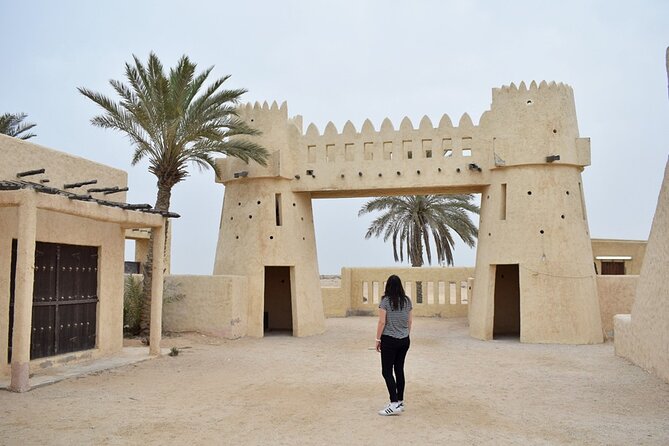
Doha gives you the modern skyline, grand museums, and polished waterfront. This tour gives you a different Qatar: fishing harbors, abandoned village walls, coastal wetlands, old forts, open desert, and a piece of modern art that seems almost absurdly large beside the rocks.
I would not book this expecting eight major blockbuster attractions. Qatar’s northern and western sights are often quiet, sparse, and atmospheric. A ruined village may consist of low limestone walls. A fort may take less than an hour. The reward comes from seeing how these places connect, not from one famous monument after another.
The route is especially useful if you have only a few days in Doha. It packs the country’s traditional coastal economy, archaeology, natural areas, and modern art into one outing. One strong review described it as a good way to finish four days in Doha, and that makes sense: after seeing the capital, you get a much clearer idea of what lies beyond it.
At $153.51 per person, this is not a cheap sightseeing ride. Still, the price has reasonable value if you want transport, a guide, refreshments, insurance, and a full day of stops without arranging a car yourself. The small group limit helps. If the vehicle carries only a handful of people, the cost buys more than transportation. It buys convenience on a route that would be awkward to piece together independently.
A few more Qatar trips worth weighing up
- Private Full Day Desert Safari
★ 5.0 · 392 reviews - Full Day Tour to Qatar North And West With Pickup From Doha
★ 4.9 · 371 reviews - Full Day Tour to Qatar North And West With Pickup From Doha
★ 5.0 · 288 reviews
Al Khor, where Qatar’s pearling story begins
The first stop is Al Khor, about 50 kilometers north of Doha. The Arabic name refers to its position with the sea on three sides, and the town predates Doha even though it is much smaller today.
Al Khor was once tied closely to pearling and fishing. The introduction of cultured pearls changed that economy, but the harbor still gives you a useful introduction to Qatar’s coastal past. You can see traditional fishing dhows, walk along the corniche, and look toward nearby mangrove colonies.
The stop lasts about 30 minutes and has no admission charge. That is enough for a quick look, photographs, and a basic explanation, but not a long museum visit. The local museum, which presents fishing, pearling, and dhow building, is part of Al Khor’s appeal, though the schedule does not promise an extended museum visit.
I like this opening because it gives the rest of the day a human context. The forts and ruins later on are easier to understand once you know that coastal work, trade, and pearling shaped everyday life here.
Al Thakhira and Purple Island: a brief taste of the coast
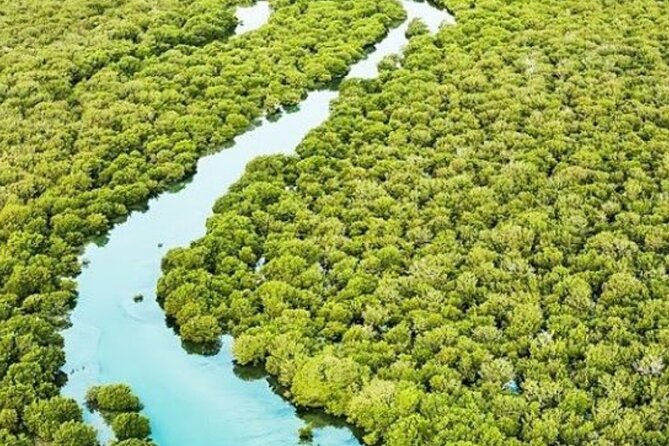
Al Thakhira Beach introduces a softer side of northern Qatar. Its mangrove colony is an important habitat for birds, fish, and other animals. It also helps limit coastal erosion, so this is not simply a pretty patch of greenery by the water.
You get roughly 30 minutes here. That timing is enough to see the coastal setting and learn why the mangroves matter, but it is not an extended nature walk or boat excursion. If you want a long, slow visit among the trees, this schedule may feel rushed.
Purple Island, also called Al Khor Island or Bin Ghannam Island, follows with another 30-minute stop. It is known for natural scenery, plant and animal life, and its setting near Al Khor. The unusual name adds a bit of curiosity, but the tour does not promise a lengthy hike or a full island exploration.
These two stops work best as short outdoor breaks rather than headline attractions. You will appreciate them more if you enjoy coastal ecology and quiet places. If you need constant visual drama, you may find the pace and scale underwhelming.
Al Zubara Fort and the archaeology of the northwest
Al Zubara Fort is the day’s most important historical stop. You have about one hour here, with no separate admission fee.
The fort was built beside the ruins of an older fort at Al Zubarah, once a port and center for trade, fishing, and pearling. Today, the protected area is Qatar’s first UNESCO World Heritage Site. Archaeological work has uncovered artifacts that are displayed in the renovated fort.
This is where the tour’s cultural story gains weight. Al Khor showed you a living harbor tied to the sea. Al Zubara shows what happened when a settlement grew around commerce and then faded. The fort and surrounding ruins make that change visible.
Give this stop your attention. It is easy to walk through a fort, take a few photographs, and move on without thinking about the settlement around it. I would listen carefully to the guide here and ask questions. A well-informed guide can turn the stone walls into a clear picture of trade routes, coastal work, and the rise and decline of the old port.
The site is open and exposed, so water matters. Bottled water is included, but I would still bring more if you drink often in hot weather.
A completely different sort of day out from Doha:
- Doha: Safari, ATV, Camels, Sandboarding and Inland Sea Tour
★ 4.8 · 5,291 reviews - Doha: ATV, Quad/Buggy Dune Bashing, Camel Ride, Sandboarding
★ 5.0 · 3,784 reviews - Desert safari, Dune bashing, sandboarding, camel, ATV Option
★ 5.0 · 2,826 reviews - Qatar Gold Dune Safari, Dune Bashing,Camel Ride,Sand Boarding,Inland Sea Desert
★ 5.0 · 2,807 reviews
Al Jumail’s abandoned village walls
Al Jumail is an old pearling and fishing village. The visit lasts about 30 minutes and focuses on heritage rather than polished attractions.
Expect a simple site of traditional homes made from limestone and mud. The remains help show how people lived before modern Qatar transformed the coast. There is no promise of a large museum or restored village, so the interest lies in the walls, setting, and the explanation you receive.
This is a good stop for anyone who wants to see traditional building materials and understand Qatar’s former coastal communities. It may feel thin if you judge it only by the number of intact buildings. I would treat it as a short field visit, not a full attraction.
The same applies to the Al Shamal area, where you may see Bahrain on a clear day. That detail gives the far north a strong geographic sense. Visibility is weather dependent, so do not count on the view. The stop also helps you understand how close Qatar sits to other Gulf shores, even when the surroundings seem almost empty.
Camel training at Ash-Shahaniyah
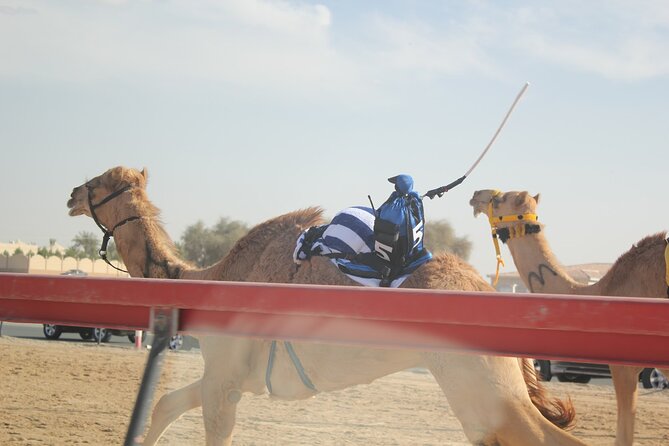
At Ash-Shahaniyah, the tour pauses for about 30 minutes to view the camel racing track while camels are under training.
This is one of the more distinct stops because it connects modern sport with a long-standing regional tradition. You are not simply looking at another fort wall or beach. You get a glimpse of an activity that remains part of Qatar’s public culture.
The schedule only promises a view of the track and training, so the exact scene can vary. I would keep expectations sensible. This is an observational stop, not a full race-day program, and there is no stated guarantee of a particular event or demonstration.
Zekreet Fort, rock formations, and the western desert
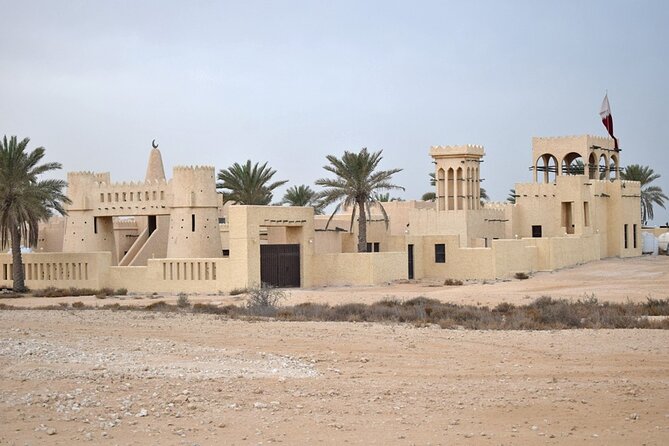
The western section changes the mood completely. Zekreet Fort Ruins receive about 40 minutes, and the site is described as one of Qatar’s notable historical landmarks because it went through two construction phases.
That detail is worth hearing from the guide. A ruined fort can look like a pile of low walls unless you understand that it developed in stages. The stop works well for people interested in archaeology, but it does not have the polished finish of a major urban monument.
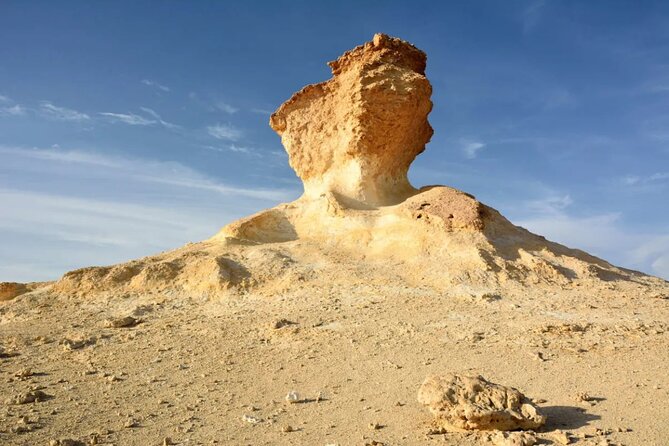
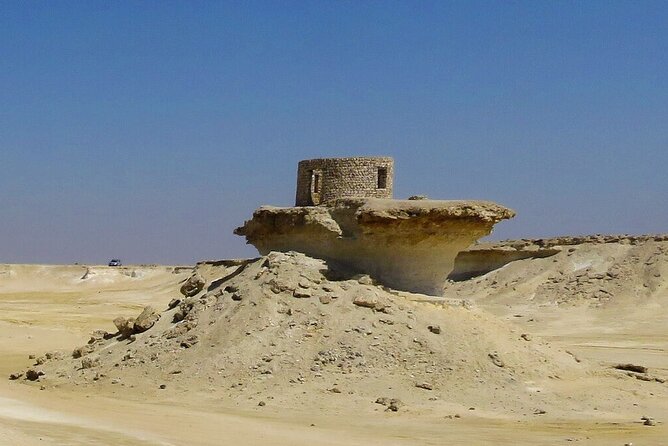
Near the Zekreet Peninsula, you can also see limestone rocks, desert scenery, and the famous umbrella-shaped rock formation. The rock is a favorite subject for photographs, and you will want a camera ready. Its shape gives the otherwise spare setting a playful focal point.
The Zekreet area also includes a wildlife reserve. The information provided does not promise specific animals or a dedicated wildlife drive, so I would see this as a chance to observe the open setting rather than a guaranteed animal encounter.
This part of the tour is where comfort and driving style matter most. The route is long, and one mixed account described a guide rushing in the early afternoon and driving too fast. That does not appear to be the usual experience, since guides including Asim and Sajid receive strong praise, but it is a fair reminder to speak up if the pace makes you uncomfortable.
Richard Serra’s four steel plates in Brouq
The final major stop is East-West/West-East by Richard Serra, located in the Brouq nature reserve. You have about 40 minutes to see it.
The sculpture consists of four steel plates, each more than 14 meters high, spread across more than a kilometer. Serra studied the shape of the ground to align the plates with the surrounding space. The result is stark, simple, and surprisingly powerful.
This is a very different kind of attraction from Al Zubara Fort. You are not looking at an old settlement or a traditional building. You are looking at a modern work placed far from the city, where its scale becomes part of the experience.
I like the contrast. After a day of coastal history and ruined structures, the sculpture asks you to look at the desert in a new way. The plates seem to measure the emptiness around them. You may love the clean lines and huge scale, or you may decide that four steel walls in the desert are not worth the drive. Either response is fair.
For many people, this will be the most memorable photo stop of the day. The open setting also means there is little shade, so plan around the heat and use the included water.
The guide can make or break the long day
The tour’s strongest personal praise goes to the guides. Sajid is described as informative and helpful, while Asim is praised as both guide and driver during a memorable full-day outing. One guide was also specifically appreciated for taking photographs and capturing the sights.
That last point matters more than it may sound. With a route this broad, a good guide does more than recite names. You need someone who can explain why Al Khor matters, make sense of Al Zubara’s ruins, and help you frame the Zekreet rock or Serra sculpture.
The group maximum is six, which should support a more relaxed exchange than a large bus tour. It also reduces the time spent gathering people at every stop. Still, small-group size does not guarantee the same guide or driving style every day. The provider is Doha Tourism, and guide quality remains an important part of the booking decision.
Timing, food, and what to carry
The experience lasts approximately six to eight hours. That range is wide enough to reflect traffic, road conditions, stop lengths, and the number of photographs people want to take.
Pickup is offered, and the vehicle is air-conditioned. Coffee or tea and bottled water are included, along with insurance. Lunch and snacks are not included, so bring food for the road. The practical advice from the strongest experience is simple: hydrate and pack snacks.
I would also carry sun protection and comfortable shoes, though the supplied information does not specify a required dress code or walking distance. Several stops are short, but the day includes beaches, ruins, village remains, and open desert. You should be ready for outdoor conditions rather than expecting a museum-based outing.
The tour requires good weather. If poor conditions cancel it, you are offered another date or a full refund. For ordinary cancellations, you receive a full refund if you cancel at least 24 hours before the start time. Cancellations or changes within 24 hours are not refunded or accepted.
Who should book this North and West Qatar day trip
I would choose this tour if you have already seen the main sights in Doha and want a broad look at Qatar outside the capital. It suits you if you enjoy archaeology, coastal communities, desert scenery, photography, and unusual modern art.
It also makes sense if you do not want to rent a car or arrange several separate outings. The route reaches places that are spread widely across the country, and the air-conditioned transport saves you the work of navigation.
You may want another option if you prefer long visits at fewer sites. The 30-minute stops at Al Khor, Al Thakhira, Purple Island, Al Jumail, and Ash-Shahaniyah are useful introductions, but they do not allow much lingering. You should also lower your expectations if you need every stop to feel grand. Much of Qatar outside Doha is quiet and spare, and the appeal often comes from context rather than spectacle.
Should you book it?
Book this tour if you want the broadest practical introduction to northern and western Qatar in one day. Al Zubara Fort and Serra’s enormous sculpture give the route two strong anchors, while Al Khor, the mangroves, old villages, camel training, and Zekreet fill in the country’s coastal and desert story.
At $153.51, the value depends on how much you value convenience and guiding. For a small group with transport, refreshments, insurance, and a route that covers a lot of ground, the price is defensible. Just bring snacks, drink plenty of water, and accept that some places are brief and understated. If Sajid, Asim, or another careful guide leads the day, the experience should give you a useful and memorable counterpoint to Doha.
FAQ
How long does the Full-Day Tour Qatar North and West last?
The tour lasts approximately six to eight hours.
How much does the tour cost?
The listed price is $153.51 per person.
Is pickup available?
Yes, pickup is offered.
What is the maximum group size?
The tour has a maximum of six participants.
Is lunch included?
No. Lunch and snacks are not included.
What refreshments are provided?
Coffee or tea and bottled water are included.
Is transportation air-conditioned?
Yes, transportation is provided in an air-conditioned vehicle.
Which UNESCO site does the tour visit?
The tour visits Al Zubara Fort and the surrounding Al Zubarah archaeological site, Qatar’s first UNESCO World Heritage Site.
Does the tour visit Richard Serra’s East-West/West-East sculpture?
Yes. The tour spends about 40 minutes at the sculpture in the Brouq nature reserve.
What happens if bad weather cancels the tour?
You are offered a different date or a full refund if poor weather causes cancellation.
Just added around Doha
- Explore desert Qatar: Off-Road Adventures, dune bashing Tour★ 5.0 · 3 reviews
- Doha: Desert Buggy Ride, Camel Ride, Dune Bashing, Sandboard★ 5.0 · 3 reviews
- Private Wakesurfing or Wakeboarding along Doha’s skyline★ 5.0 · 3 reviews
- “Doha Desert Safari with all activities”★ 5.0 · 3 reviews
- Private Desert Safari, Sand Dunes Bashing and Inland Sea Visit★ 5.0 · 3 reviews
- Guided Doha Sightseen Tour By Certified Tour Guide (Private Tour)★ 5.0 · 3 reviews
- Grand Qatar Tour★ 5.0 · 3 reviews
- Doha: Private City tour from Cruise Port terminal★ 5.0 · 3 reviews
Full-Day, compared.

Full Day Tour to Qatar North And West With Pickup From Doha
Read our review →Full Day Tour to Qatar North And West With Pickup From Doha
Read our review →
Full Day Qatar’s North And West tour || History & Heritage
Read our review →
Full Day Desert Safari | BBQ Dinner | Inland sea
Read our review →
Premium Full-Day Safari, Dune Bash, Camel Ride and BBQ Meal in Desert Camp
Read our review →
Full Day Desert Safari with Buffet Dinner,Sand Boarding & Camel Ride
Read our review →