
Reviewed · WEST COAST & RICHARD SERRA
Doha: Combo Heritage & Art Tour of North and West Qatar
Qatar’s quiet north tells a bigger story. This seven-hour outing links Al Zubarah Fort, an abandoned pearl-fishing village, coastal towns, and two striking desert art sites in one well-planned route. I like the unusual mix of old Qatar and modern art, and I like that round-trip transport keeps you from dealing with long, unfamiliar roads. The main consideration is the pace: with several stops, most visits last only 30 to 40 minutes.
The guide can make or break a day like this, and names praised for warmth, storytelling, local knowledge, and photography include Junaid and Javid. You should also expect open desert, sun, wind, and long stretches between sights. Bring your passport or ID card, drink the supplied water, and think of this as a broad introduction to northern Qatar rather than a slow visit to one site.
In This Review
- Five things to know before you go
- Why this North and West Qatar route works
- Al Ruwais and the northern coast
- Al Jumail Village, a quiet look at pearl-fishing life
- Olafur Eliasson’s art in the desert
- Al Zubarah Fort and Qatar’s trading past
- Zekreet and the West’s stark desert setting
- Richard Serra’s East-West/West-East
- The guide and the value of the vehicle
- Timing, food, and what to bring
- Who should book this tour?
- Is this North and West Qatar tour worth booking?
- FAQ
- How long does the tour last?
- Where does the tour begin?
- Is transportation included?
- Is a guide included?
- Can I book a private group?
- Which historic village does the tour visit?
- Does the tour visit Al Zubarah Fort?
- Which desert art installations are included?
- Are meals included?
- What document should I bring?
Five things to know before you go
- Olafur Eliasson’s desert installation: Modern art meets the open desert, creating one of the tour’s most unusual photo stops.
- Al Jumail Village: This abandoned coastal settlement offers a direct look at Qatar’s pearl-fishing past.
- Al Zubarah Fort: The UNESCO-listed fort gives the day its strongest historical focus.
- Richard Serra’s East-West/West-East: Four huge steel forms turn a remote desert setting into an art experience.
- A full seven-hour route: Air-conditioned transfers, a guide, drinks, and site entrances are included, but meals are not unless you add one.
- Private touring available: A private group may suit you if you want a quieter ride or more control over the pace.
Why this North and West Qatar route works
Doha can feel polished and modern, but Qatar’s older character is easier to find far from the capital. This tour takes you to the northern coast, archaeological remains, historic fortifications, and broad desert spaces where contemporary art feels almost startling in its simplicity.
I like the route because it avoids the usual city-only schedule. You get several different kinds of scenery in one day: sea views at Al Ruwais, weathered village remains at Al Jumail, a preserved fort at Al Zubarah, rock and desert surroundings around Zekreet, and large-scale sculpture in open country.
The itinerary is also practical for a short stay. You do not need to arrange several separate taxis or work out how to reach remote art installations. Pickup and drop-off from Doha are provided in an air-conditioned vehicle, and the guide handles the route.
The tradeoff is time. Al Ruwais and Al Jumail each receive about 30 minutes. The Olafur Eliasson site is also listed at about 30 minutes, while Al Zubarah Fort and Richard Serra’s work receive about 40 minutes each. That is enough to see the main features, take photographs, and hear an explanation, but not enough for a leisurely, unhurried exploration.
More west coast and Richard Serra trips:
- From Doha: Day Trip to North And West Qatar With Pickup
★ 4.9 · 336 reviews - Qatar West Coast tour to Richard Serra Sculpture and Mushroom Rock Formation
★ 5.0 · 153 reviews - Qatar West Coast tour, Zekreet, Richard Serra Sculpture, Mushroom Rock Formation
★ 5.0 · 150 reviews
Al Ruwais and the northern coast
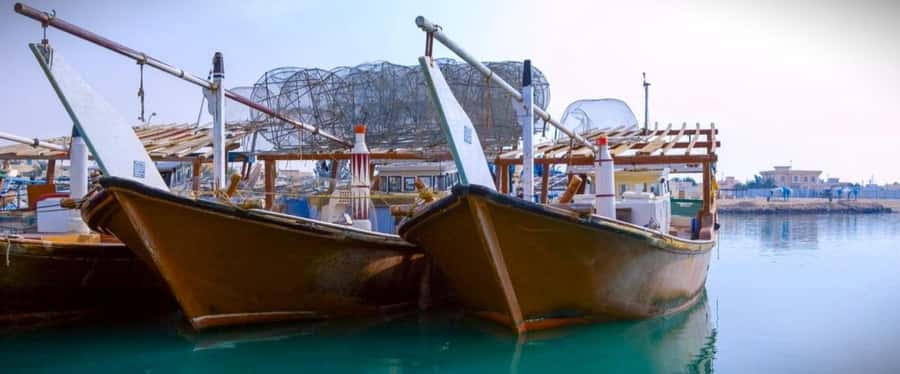
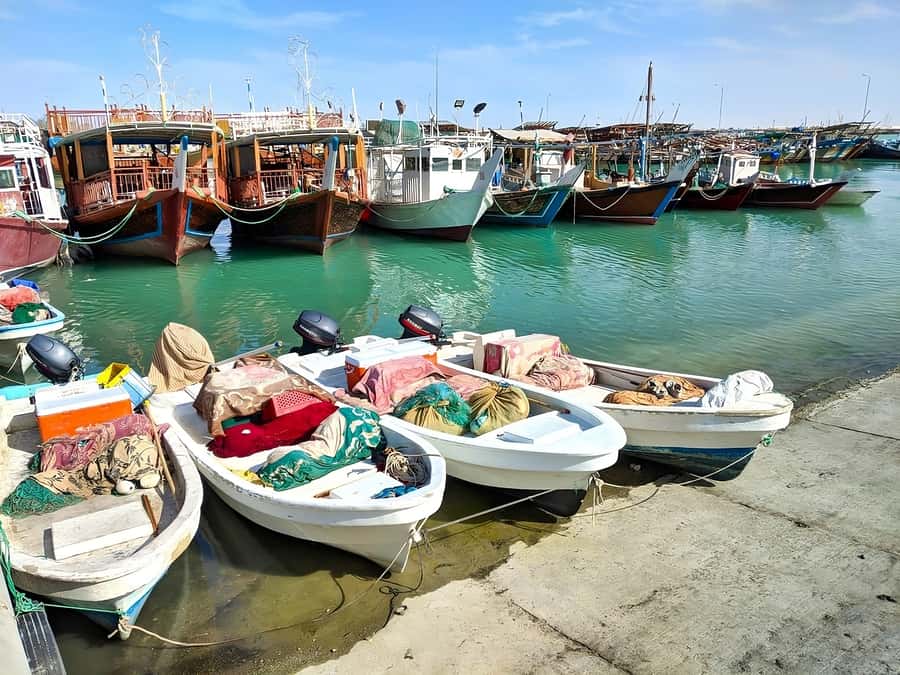
Your first listed stop is Al Ruwais, a coastal town with fishing traditions and sea views. The 30-minute visit gives you a quick change of mood from Doha’s urban setting to Qatar’s quieter northern edge.
This stop is useful because it provides context for the settlements that follow. The coast was not simply a scenic backdrop. Fishing and pearl gathering shaped daily life, trade, and settlement patterns in Qatar, and Al Ruwais helps place the abandoned villages and old fortifications in that wider setting.
Do not expect a long town tour in half an hour. Think of it as a short coastal pause, a chance to see the water, listen to the guide, and take photographs. If sea views matter to you, this is a pleasant opening. If you prefer archaeological sites or art, you may find the visit brief.
Al Jumail Village, a quiet look at pearl-fishing life
Al Jumail is one of the most atmospheric stops because it is abandoned. The remains belong to a former pearl-fishing settlement, so you are looking at the traces of a community rather than a restored attraction prepared for visitors.
That difference matters. Ruined walls and empty spaces can tell you something that a polished museum sometimes cannot. You can picture the village as a working coastal place, then consider how changes in Qatar’s economy and modern development left older settlements behind.
The visit lasts about 30 minutes. I would use the time to look closely at the building remains, note how the settlement relates to the coast, and listen carefully to the guide’s explanation. Without context, an abandoned village can seem like a collection of stones. With a good storyteller, it becomes a human place.
Junaid’s ability to connect landmarks with Qatari culture and local customs has been especially praised, and this is the sort of stop where that skill matters. Javid has also been praised for his friendly manner and photography, which can be useful at a site with strong textures, open views, and few distractions.
There is little shade mentioned in the tour details, so prepare for direct sun. Comfortable shoes are sensible, though no special equipment is listed.
Olafur Eliasson’s art in the desert
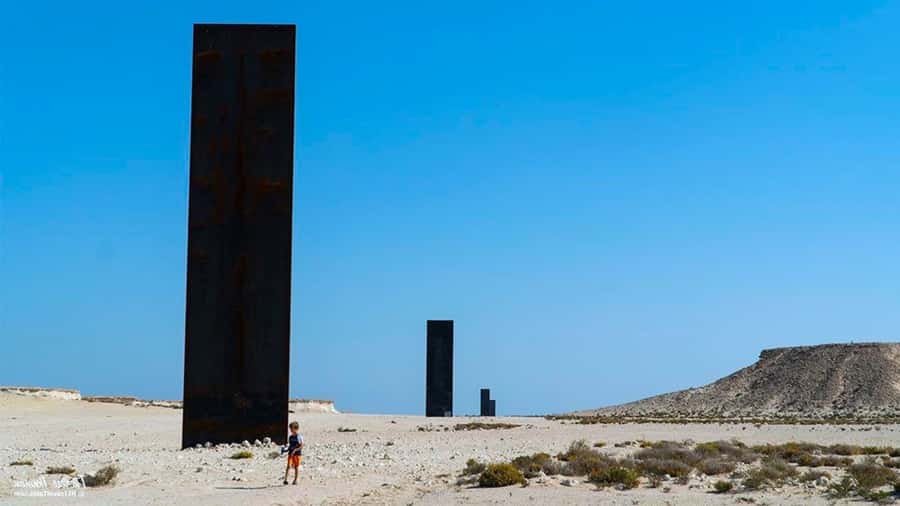
The Olafur Eliasson installation is the route’s first major collision between contemporary art and nature. The work is designed to be experienced in a wide desert setting, where the surrounding space is part of what you see.
I like this stop because it asks you to slow down and notice how scale, distance, light, and emptiness affect art. In a gallery, you can focus on the object. Here, the desert changes your reading of it. The installation is not an isolated indoor exhibit, and the setting gives it much of its force.
The scheduled visit is about 30 minutes. That is enough for an introduction, photographs, and a little time to take in the relationship between the work and its surroundings. You may want longer if you enjoy contemporary art or photography, but the overall route has several more stops to reach.
A guide’s explanation is valuable here. The work may not immediately make sense if you are used to paintings, monuments, or traditional museum displays. Ask the guide what to notice and how the piece responds to its setting. The contrast between human design and open desert is the point.
This is also one of the places where a private group could help. A smaller, more flexible outing may make it easier to spend a few extra minutes with the installation, though the tour’s stated visit time remains a useful guide.
More history on the ground:
- Full Day Qatar’s North And West tour || History & Heritage
★ 5.0 · 229 reviews - Desert Safari + History to Modern City Tour
★ 5.0 · 174 reviews - From Doha: Culture & History Qatar Tour to the North & West
★ 5.0 · 51 reviews - 8-Hour Private Cultural Tour
★ 5.0 · 47 reviews
Al Zubarah Fort and Qatar’s trading past
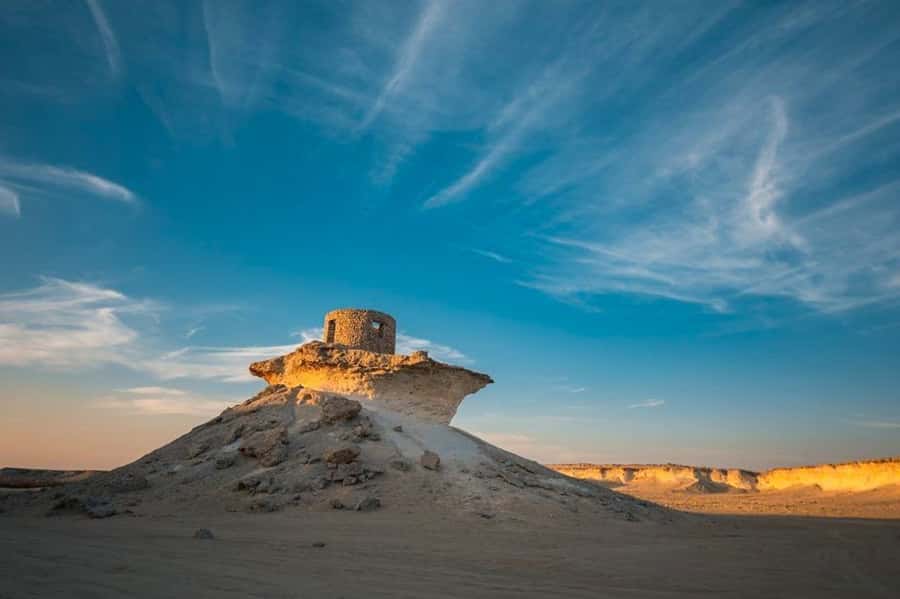
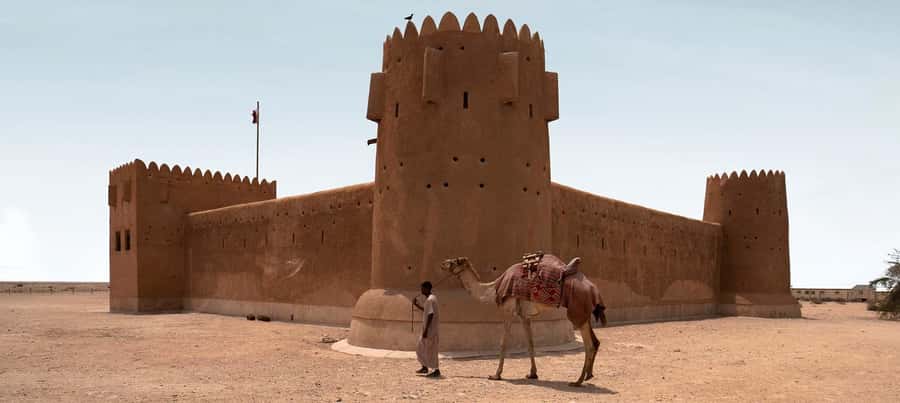
Al Zubarah Fort is the historical centerpiece. The fort is UNESCO-listed and connected with Qatar’s trading and archaeological story, giving the day a firm sense of place after the more impressionistic art stop.
The 40-minute visit is short but sensible for a multi-stop tour. You can inspect the fortress, learn why Al Zubarah matters, and understand its role within Qatar’s past. The fort’s value is not just its appearance. It points to the wider settlement and trade activity around the Al Zubarah area.
I would pay attention to the guide’s explanation rather than rushing straight into photographs. The fort becomes more meaningful when you understand what it protected, how it related to commerce, and why the surrounding archaeological remains matter.
The site entrance is included, which improves the tour’s value. You are not paying separately at each major stop or trying to arrange admission on the road. Meals are not included unless you select an add-on, so do not assume lunch is part of the base booking.
Al Zubarah is also a good test of your touring style. If you like clear historical context, this stop may be the most rewarding part of the day. If you mainly want art and scenery, the 40 minutes still gives you a worthwhile look without taking over the entire route.
Zekreet and the West’s stark desert setting
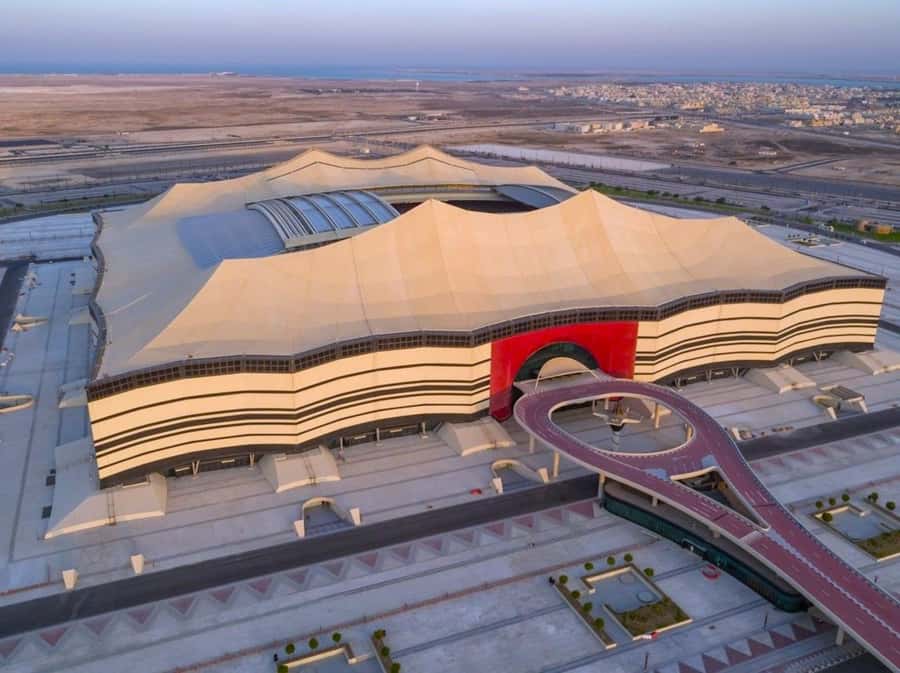
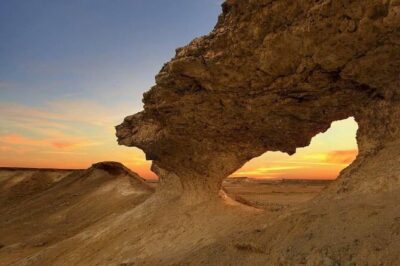
The route then crosses toward Zekreet, with about 30 minutes set aside for the visit. Zekreet is associated here with dramatic desert surroundings and unusual geological forms, giving the western part of the tour a different visual character from the northern coast.
The change in scenery is important. You move from coastal settlements and a fort to a more exposed, sculptural setting. The desert itself becomes part of the experience, with the guide pointing out the natural features and explaining their significance.
I would keep expectations realistic. The information provided does not promise a long hike, a meal, or a separate activity at Zekreet. It is a short stop within a larger circuit, so use it for views, photographs, and the guide’s explanation.
The open setting can also make conditions feel more intense. Sun, heat, and wind are part of the day’s practical concerns. Water and tea or soft drinks are supplied, but you should still bring suitable clothing and protect yourself from the sun.
Richard Serra’s East-West/West-East
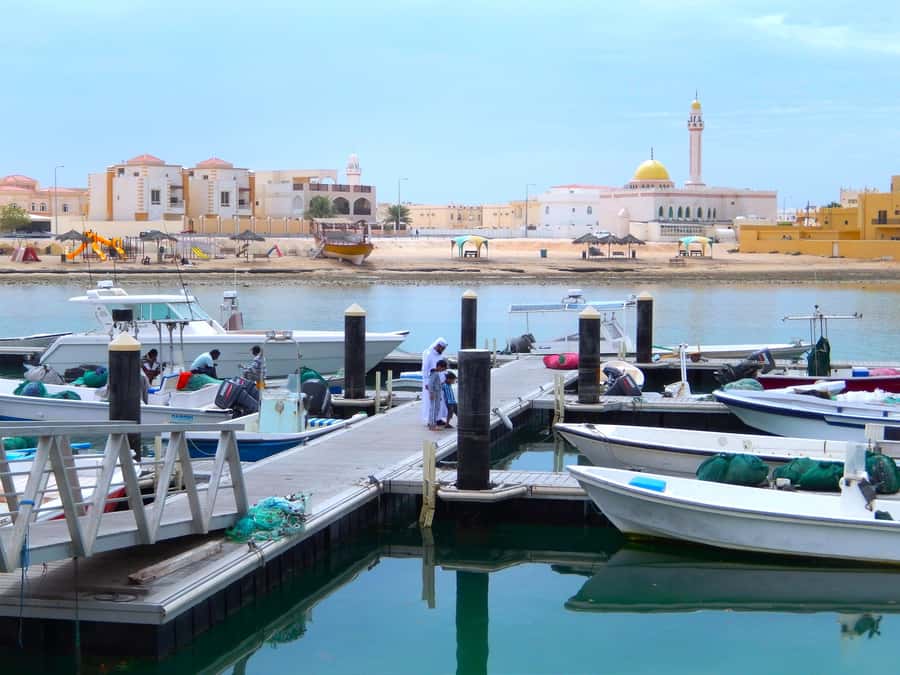
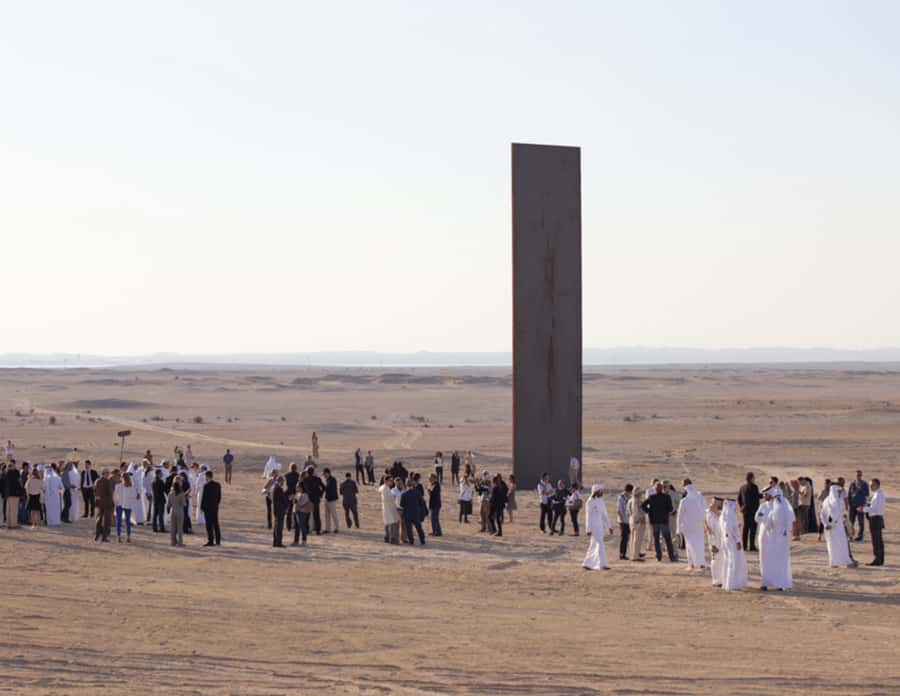
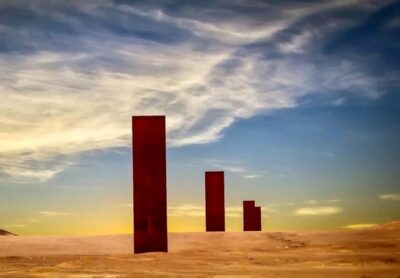
The final major art stop is Richard Serra’s East-West/West-East, a monumental work made of towering steel forms placed across the desert. The stated visit time is about 40 minutes, giving you more room than at several earlier stops to walk around, frame photographs, and take in the scale.
This is a powerful ending because the work is simple in form but huge in presence. The sculptures sit in relation to the surrounding desert, and the long views make you aware of distance in a way an indoor art museum cannot.
You do not need to be an art specialist to appreciate the piece. Start by walking around it and noticing how the forms change against the horizon. Then listen to the guide’s interpretation. A good explanation can help you understand why the artist chose this remote setting and how the work relates to its surroundings.
Photography is a major pleasure here. Javid has been praised for taking photographs, so if he is your guide, you can ask for help with group pictures or framing the sculptures. Do not expect the site to feel busy or heavily built up. Its power comes partly from the sense of space around it.
The guide and the value of the vehicle
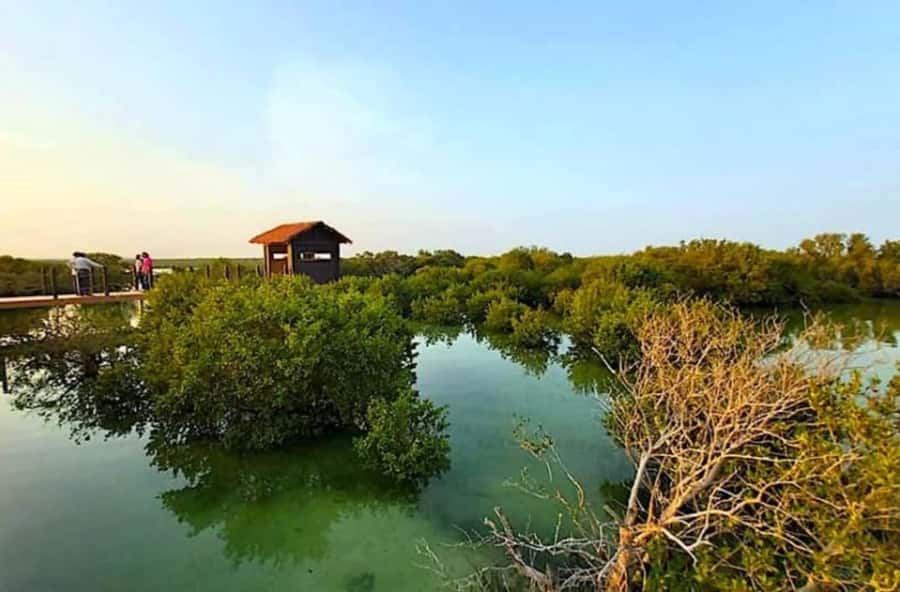
The guide is more than a driver on this route. You are moving between places that need explanation: a fishing town, an abandoned village, a UNESCO-listed fort, and two contemporary art installations. Without a guide, the day could become a long series of distant stops with limited meaning.
Junaid has been praised for warmth, storytelling, and his ability to explain local culture, history, customs, flora, and fauna. Javid has been singled out for organization and photography. The guide assigned to your booking may vary, but the experience clearly depends heavily on the person leading it.
The air-conditioned vehicle is another practical strength. Northern and western Qatar cover a lot of ground, and a comfortable transfer matters when you are spending time outside at exposed sites. Pickup and drop-off from Doha remove the need to arrange transport to remote locations.
The trip is described as a private group option, so check the booking choice carefully. A private group can be worthwhile for couples, families, or friends who want more personal attention. A standard group may offer less flexibility, but it can still cover the same main sites.
Timing, food, and what to bring
The total duration is seven hours, with starting times subject to availability. That makes this a substantial half-day or near-full-day outing, depending on your pickup time and the exact return schedule.
The route includes water, tea, and soft drinks. Meals are not part of the standard inclusion unless you select the meal add-on. Since the schedule moves through remote areas, clarify the meal option when booking rather than relying on an unplanned stop.
Bring a passport or ID card. A copy is accepted according to the tour information, but carry the required document in the form you are comfortable presenting.
For comfort, I would also bring:
- Sun protection and light clothing suitable for exposed desert sites
- Comfortable shoes for walking around ruins and sculptures
- A phone or camera with enough battery for repeated photo stops
- Extra water if you prefer to drink more than the supplied refreshments
The guide contacts you by phone or WhatsApp on the same day to arrange pickup. Keep your phone available that morning so the meeting details do not become a last-minute puzzle.
Who should book this tour?
I would recommend this route to you if you want variety. It works especially well for first-time visitors to Qatar who want more than Doha’s museums and modern buildings. You get coastal scenery, archaeology, local settlement history, and contemporary art in a single day.
Art lovers should appreciate the contrast between Eliasson’s installation and Serra’s steel forms. History enthusiasts will likely prefer Al Jumail and Al Zubarah Fort. Photographers get strong variety, from old walls and sea views to enormous sculptures against an empty horizon.
Families may like the changing scenery, but younger children could find the short explanations and long transfers less engaging. The tour also suits visitors who do not want to rent a car or plan a complicated route across the north and west.
I would hesitate if you want a slow archaeological study, a long beach visit, or a dedicated art tour. The schedule gives you a useful overview, not hours at each location. You should also be comfortable with outdoor conditions and a day built around driving between separated sites.
Is this North and West Qatar tour worth booking?
I like the tour’s value because it bundles transport, an English-speaking guide, refreshments, and entrance to the main listed sites. No price is provided here, so I cannot judge the exact cost, but you should compare it with the expense and effort of arranging a vehicle, guide, and admissions separately.
Book it if you want an efficient introduction to parts of Qatar that are difficult to connect on your own. The best reason to go is the combination: Al Zubarah gives you historical substance, Al Jumail gives you a human sense of the old coast, and the two art sites add something unexpected.
Skip it if you want to stay close to Doha or spend a whole day at one place. For most curious visitors with seven hours available, though, this is a strong way to see Qatar beyond the capital, especially if your guide is as engaging as Junaid or Javid.
FAQ
How long does the tour last?
The tour lasts seven hours, including pickup from Doha, visits in northern and western Qatar, and return transportation to Doha.
Where does the tour begin?
Pickup is provided in Doha. The guide contacts you by phone or WhatsApp on the same day to arrange the pickup service.
Is transportation included?
Yes. Round-trip pickup and drop-off are provided in an air-conditioned vehicle.
Is a guide included?
Yes. An English-speaking live tour guide is included.
Can I book a private group?
Yes. A private group option is available.
Which historic village does the tour visit?
The tour visits Al Jumail Village, an abandoned former pearl-fishing settlement.
Does the tour visit Al Zubarah Fort?
Yes. Al Zubarah Fort is included, and the visit is scheduled for about 40 minutes.
Which desert art installations are included?
The tour includes Olafur Eliasson’s desert art installation and Richard Serra’s East-West/West-East monumental sculpture in the Zekreet area.
Are meals included?
Meals are not included in the standard tour unless you select the meal add-on. Water, tea, and soft drinks are included.
What document should I bring?
Bring your passport or ID card. A copy is accepted according to the tour information.
Just added around Doha
- Explore desert Qatar: Off-Road Adventures, dune bashing Tour★ 5.0 · 3 reviews
- Doha: Desert Buggy Ride, Camel Ride, Dune Bashing, Sandboard★ 5.0 · 3 reviews
- Private Wakesurfing or Wakeboarding along Doha’s skyline★ 5.0 · 3 reviews
- “Doha Desert Safari with all activities”★ 5.0 · 3 reviews
- Private Desert Safari, Sand Dunes Bashing and Inland Sea Visit★ 5.0 · 3 reviews
- Guided Doha Sightseen Tour By Certified Tour Guide (Private Tour)★ 5.0 · 3 reviews
- Grand Qatar Tour★ 5.0 · 3 reviews
- Doha: Private City tour from Cruise Port terminal★ 5.0 · 3 reviews
West Coast & Richard Serra, compared.
Qatar West Coast tour to Richard Serra Sculpture and Mushroom Rock Formation
Read our review →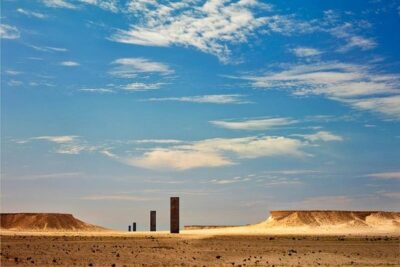
Qatar West Coast tour, Zekreet, Richard Serra Sculpture, Mushroom Rock Formation
Read our review →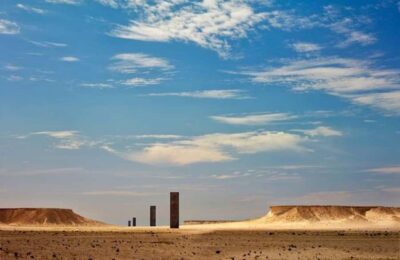
West Coast Qatar Tour, Sculptures, Camel Racing track
Read our review →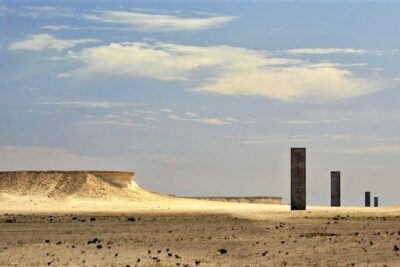
West Coast tour, Zekreet, Richard Serra Sculpture, Mushroom Rock Formation
Read our review →Richard Serra Sculpture, Zekreet and West Coast Tour
Read our review →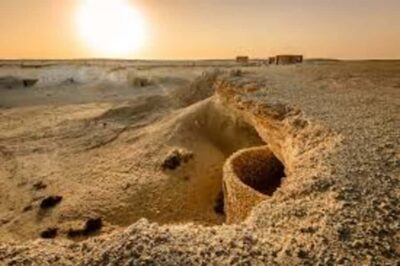
Explore Zekreet: Richard Serra Art & Mushroom Rock Wonders
Read our review →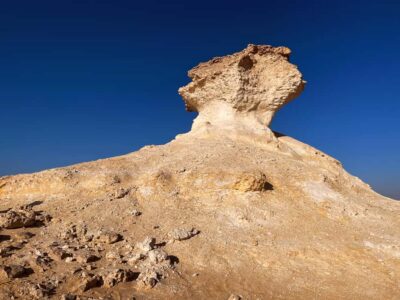
West Qatar Guided Journey With Pickup & Drop-Off
Read our review →Browse the lists this tour appears in